×

Get In Touch

XII/457 A PO No 622, UC College Near Kolbe Ashram, Aluva, Kochi, India - 683102

info@planatearth.org
0484 2203313

Contact Us
FLAGSHIP PROJECTS

DROP
DROP
MARC
MARC
Ocean Art
OCEAN ART
VMF
VMF
DROP – Drive to Recover Ocean Plastic
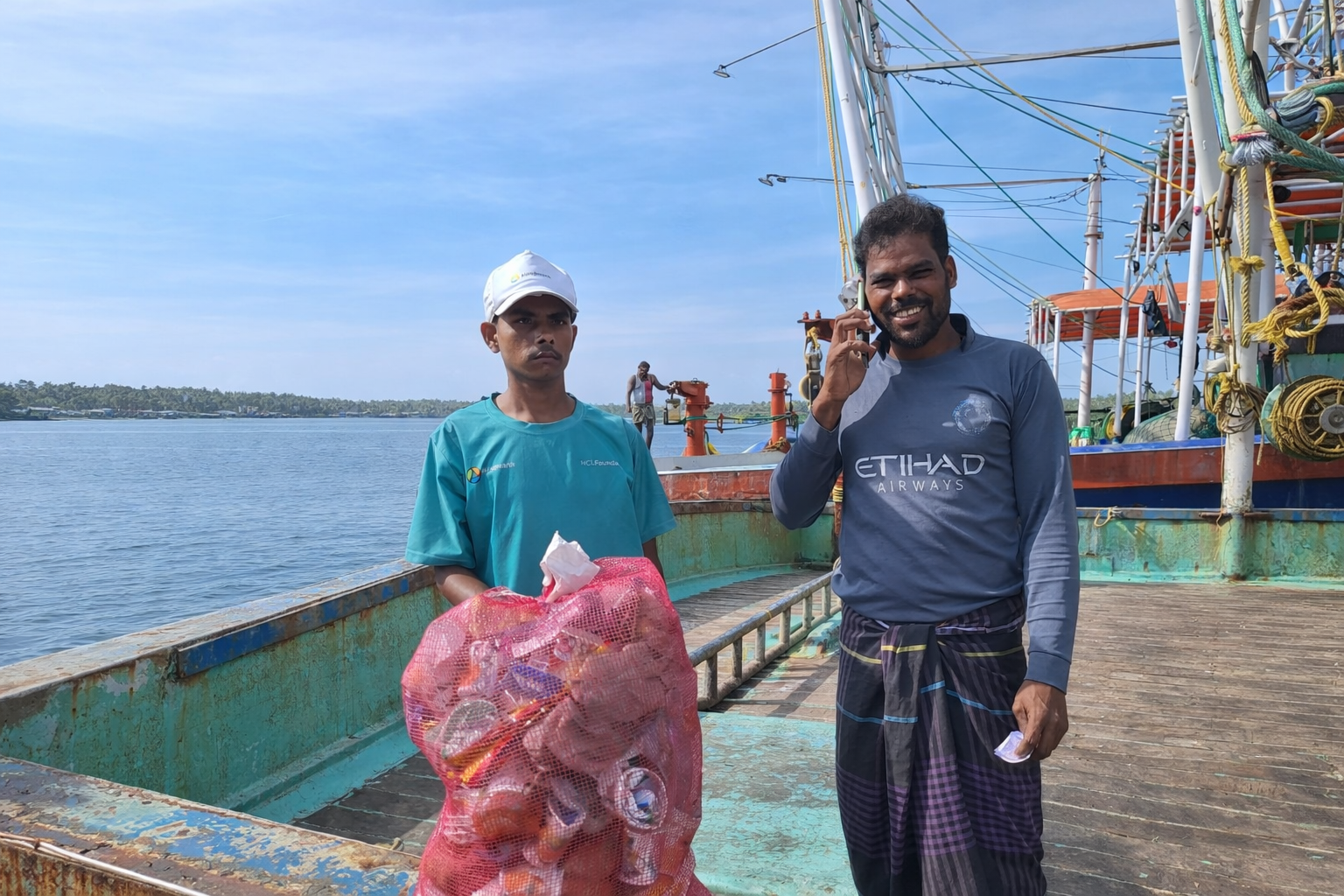
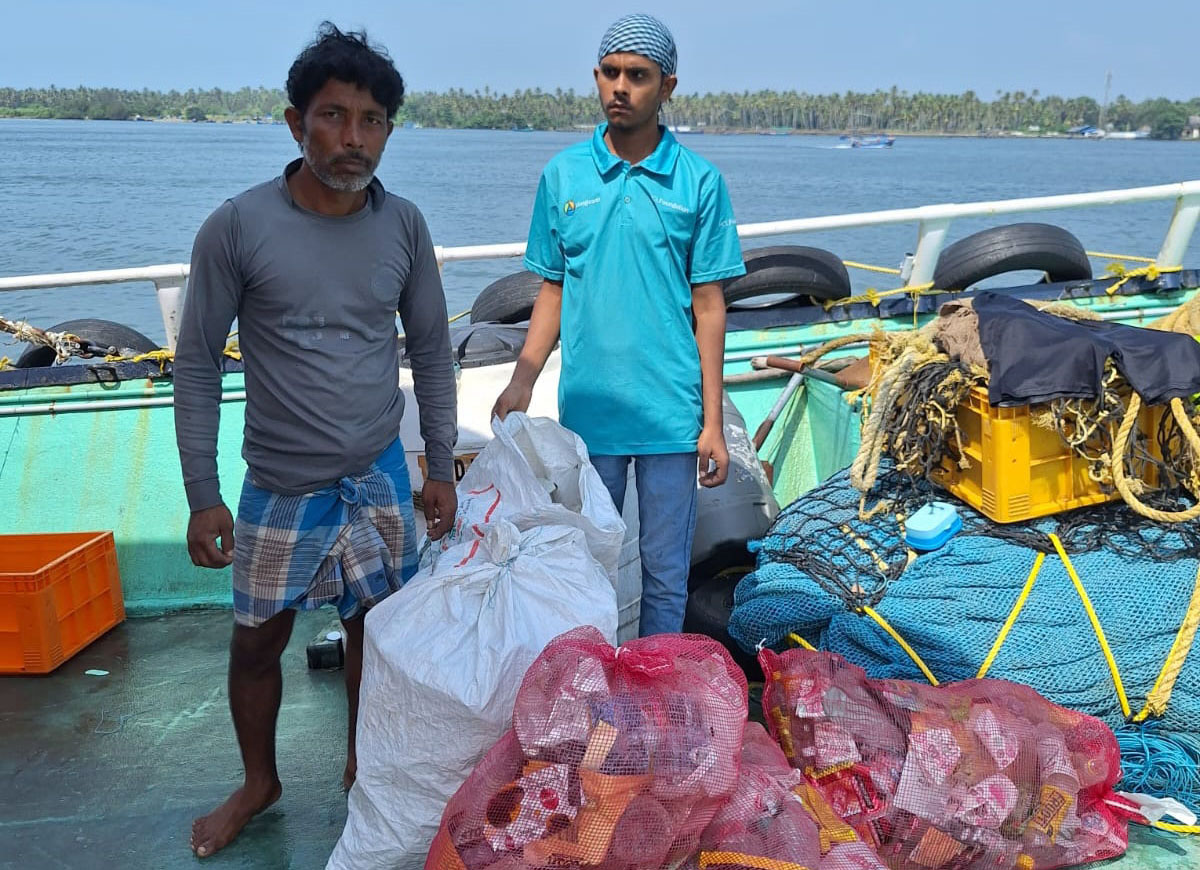
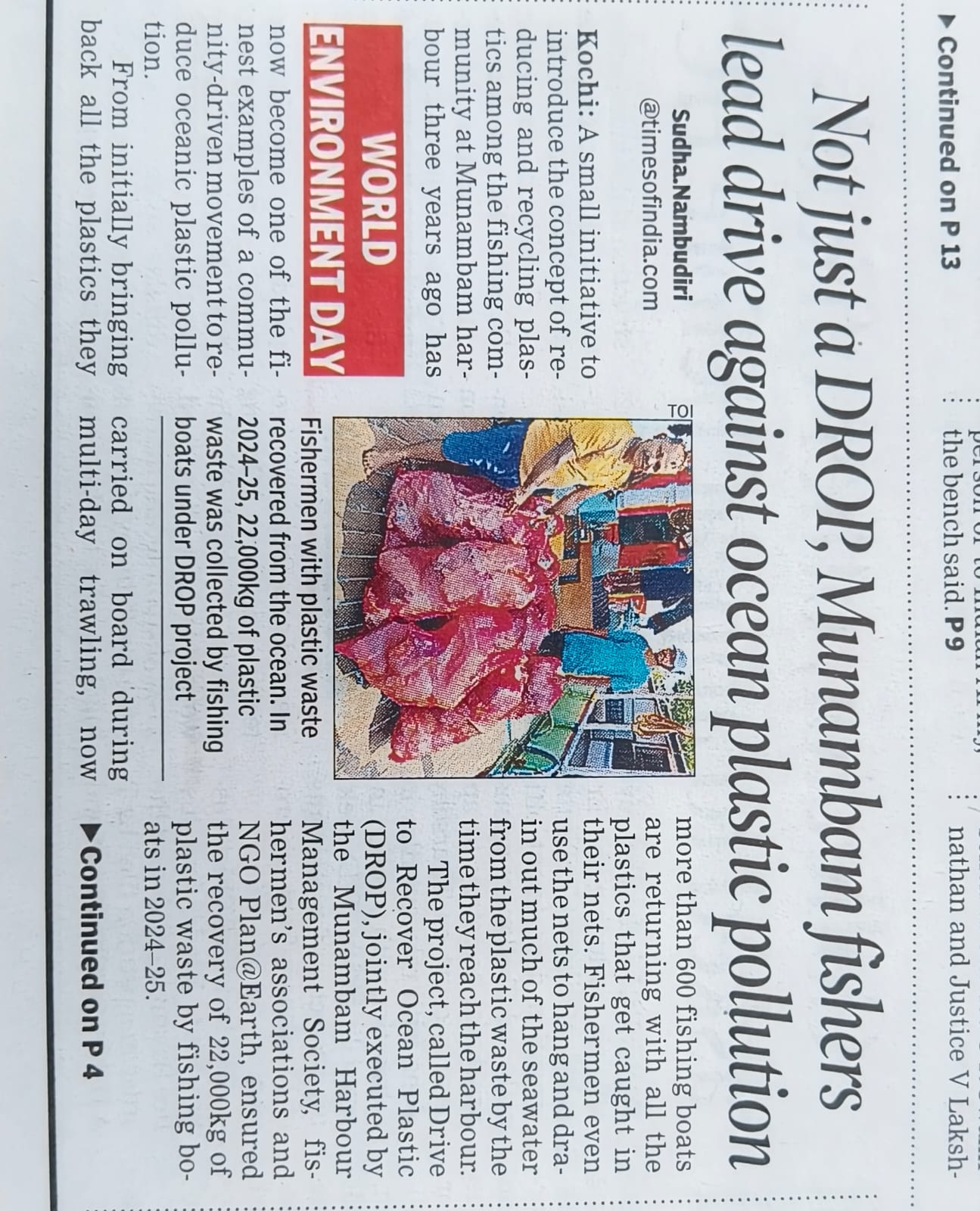
Kerala’s First Incentivized Ocean Plastic Recovery Program Project DROP is a pioneering initiative that incentivizes fisherfolk to bring back ocean plastic during their fishing trips. Each bag of plastic returned earns them ?50 – creating both environmental and economic impact.
read more...
Key Highlights
Key Highlights
12,500+ fisherfolk sensitized through incentives and continuous awareness campaigns in just 14 months. Three communities engaged: Trawling community at Munambam Harbour . Inland fishermen of Edakochi . Traditional Chinese Fishing Net operators.
read more...
Key Highlights 2
Key Highlights 2
600 boats enrolled at Munambam Harbour With HCL Foundation support, the project scaled up dramatically from a handful of boats to a full fleet, ensuring 100% participation.
read more...
Key Highlights 3
Key Highlights 3
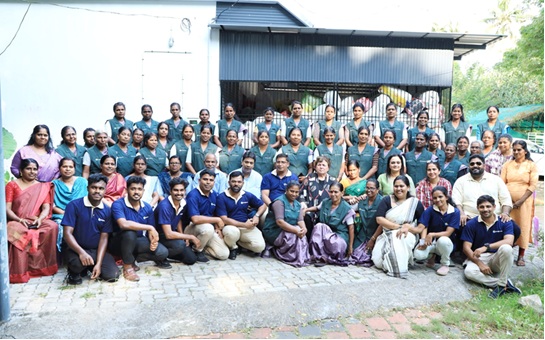
15+ tonnes of plastic diverted from the ocean every month. 5 tonnes via trawlers . 10–12 tonnes through door-to-door waste recovery in Pallipuram village, led by a team of 40 women.
read more...
MARC- Mangrove Restoration and Conservation
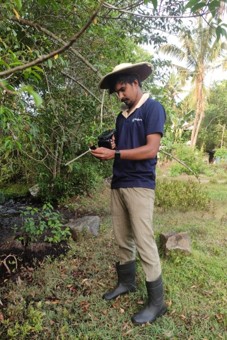
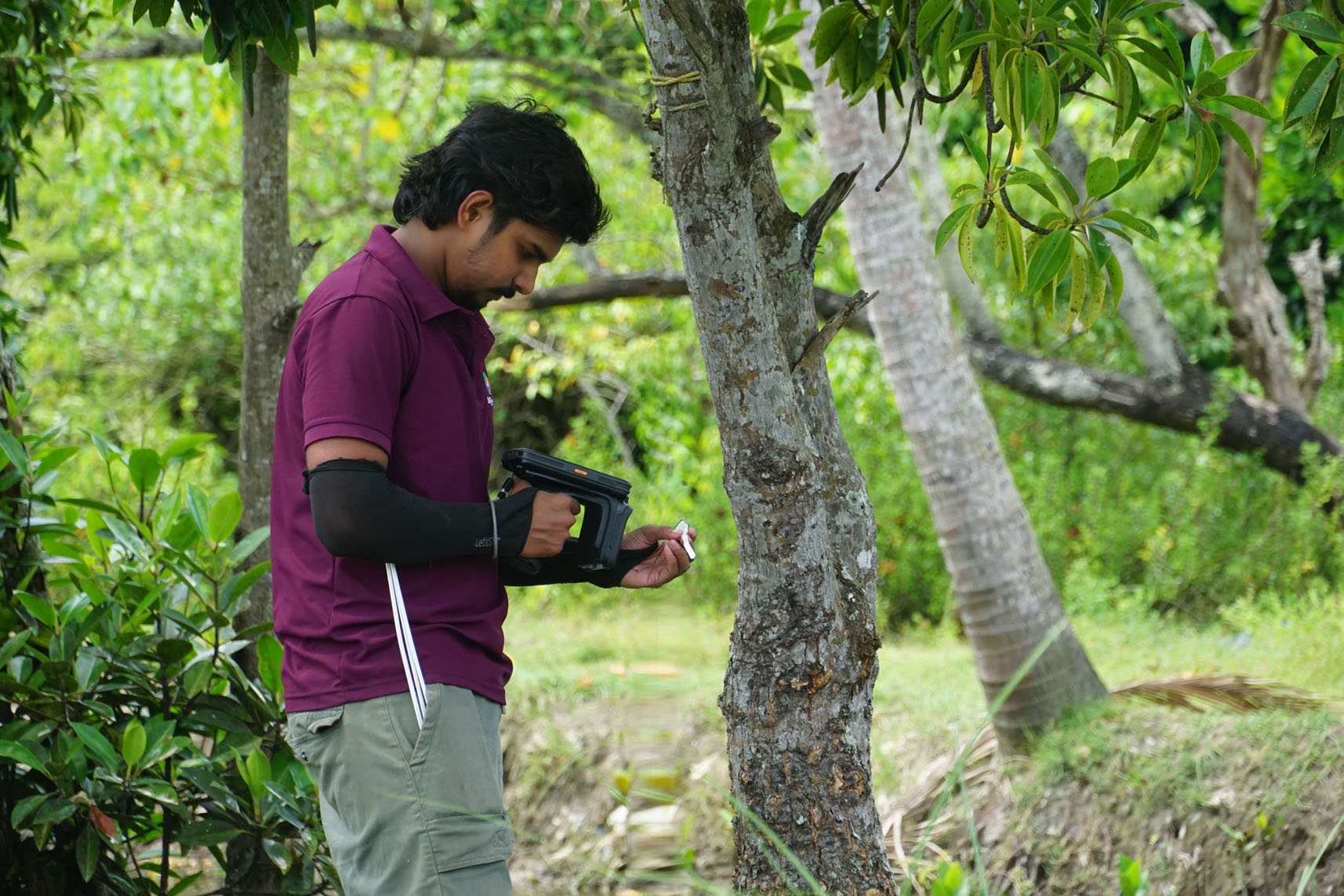
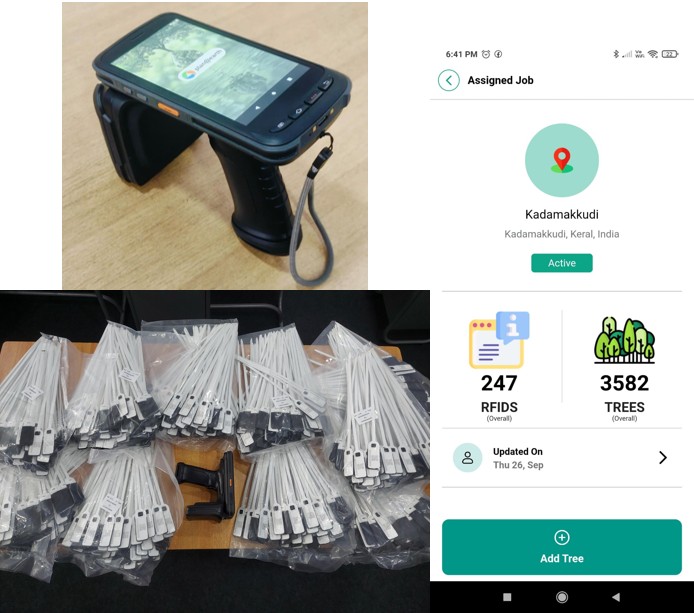
β€’ For the FIRST time in the world RFID Technology is used to tag and map Mangrove Trees. With the help of DP World, PlanatEarth has developed a mobile App that uses RFID Technology to tag and geolocate every remaining tree in the project area – the coastal belt of Vypeen group of Islands. The Mangroves in South India have been marked as critically endangered in the Red List of Ecosystems brought out by the (IUCN) the International Union for Conservation of Nature. Satellite imagery shows that there has been a loss in coastal flora by more than 40% in the last few decades. Hence it has come down to the point where every existing tree has to be accounted for. Due to various reasons, Mangrove trees are sometimes cut down. This method of tagging and mapping helps to keep track of every existing tree. Each tree is assigned a unique identification number and the species as well as location is registered in a table which can be accessed and viewed by the admin of the app. Within one year of the project over 50000 trees have this been tagged and numbered.
read more...
TWO initiatives have been taken up by PlanatEarth
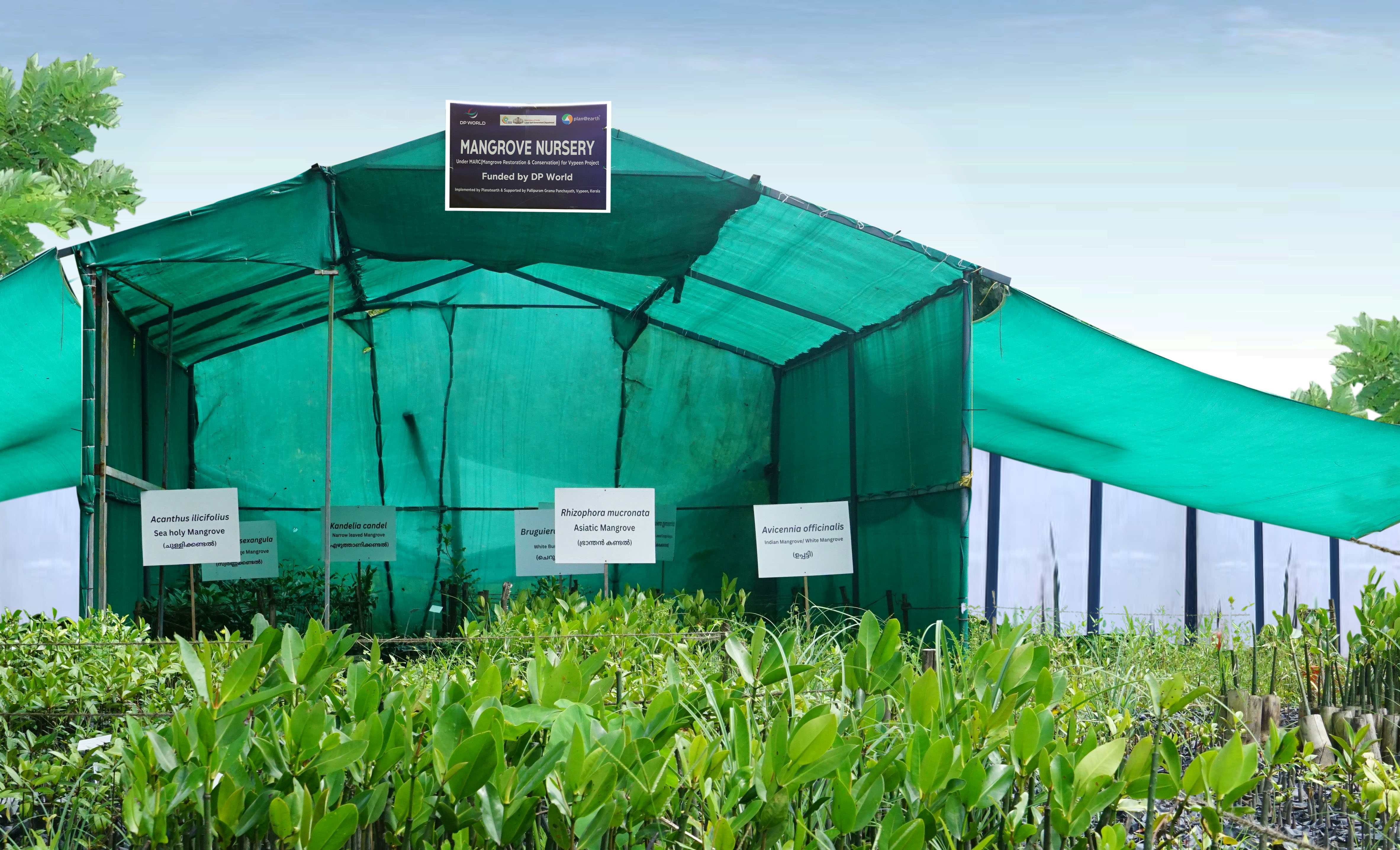
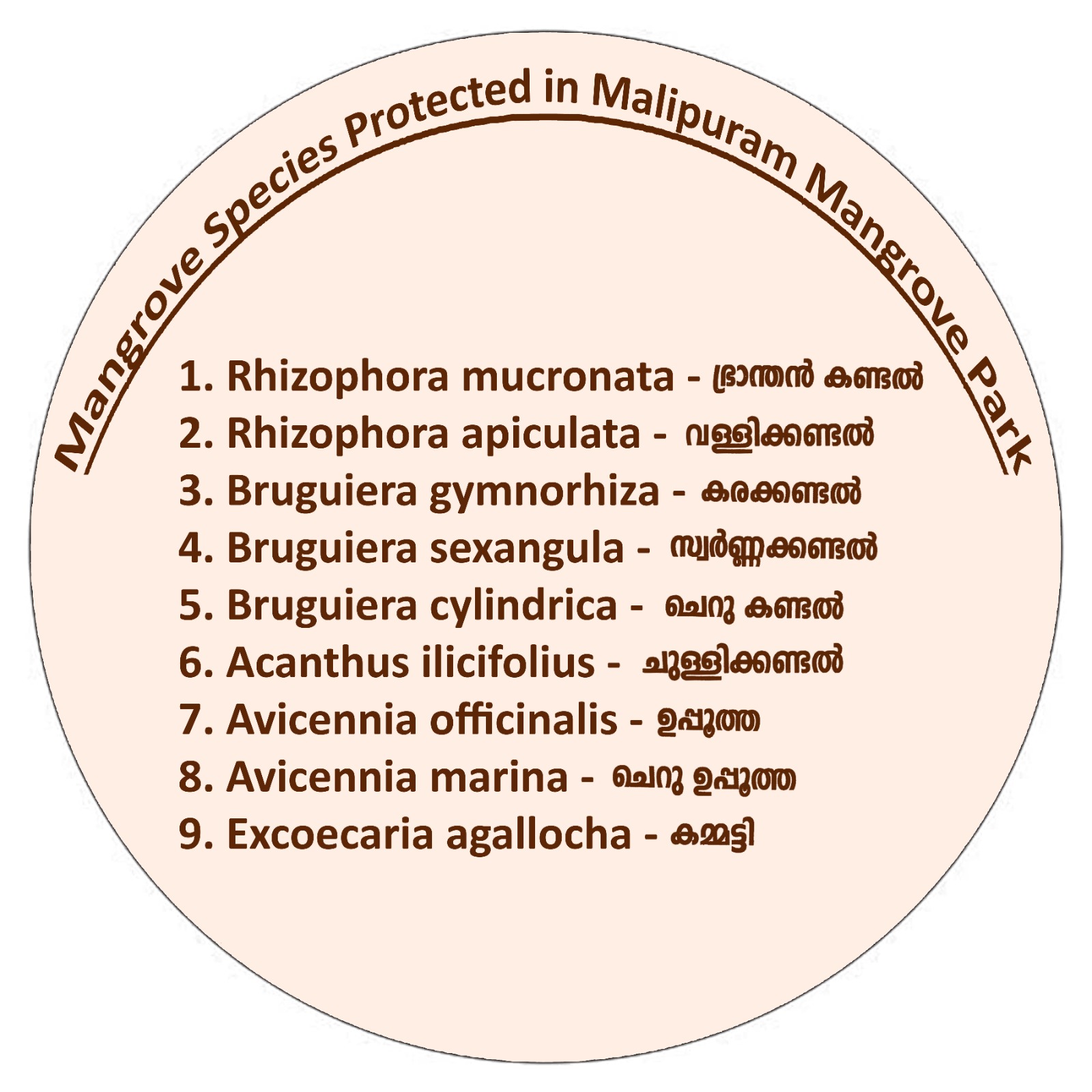
That help maximize the impact for the Mangrove Project. The first initiative is the Project MARC )Mangrove Restoration and Conservation) funded by DP World. The second initiative is the Mangrove Information Park and Mangrove Interpretation Center funded by Apollo Tyres Ltd. Under Project MARC, mangrove restoration and conservation initiatives are being done in the villages of Pallipuram, Kuzhippilly, Narackal and Kadamakudy. The Mangrove Information Park is a small mangrove forest area in Malippuram owned by the MatsyaFed of Kerala marked out as a protected area where 11 species of true mangroves are being protected.
read more...
The TRIPLE Bottom line.
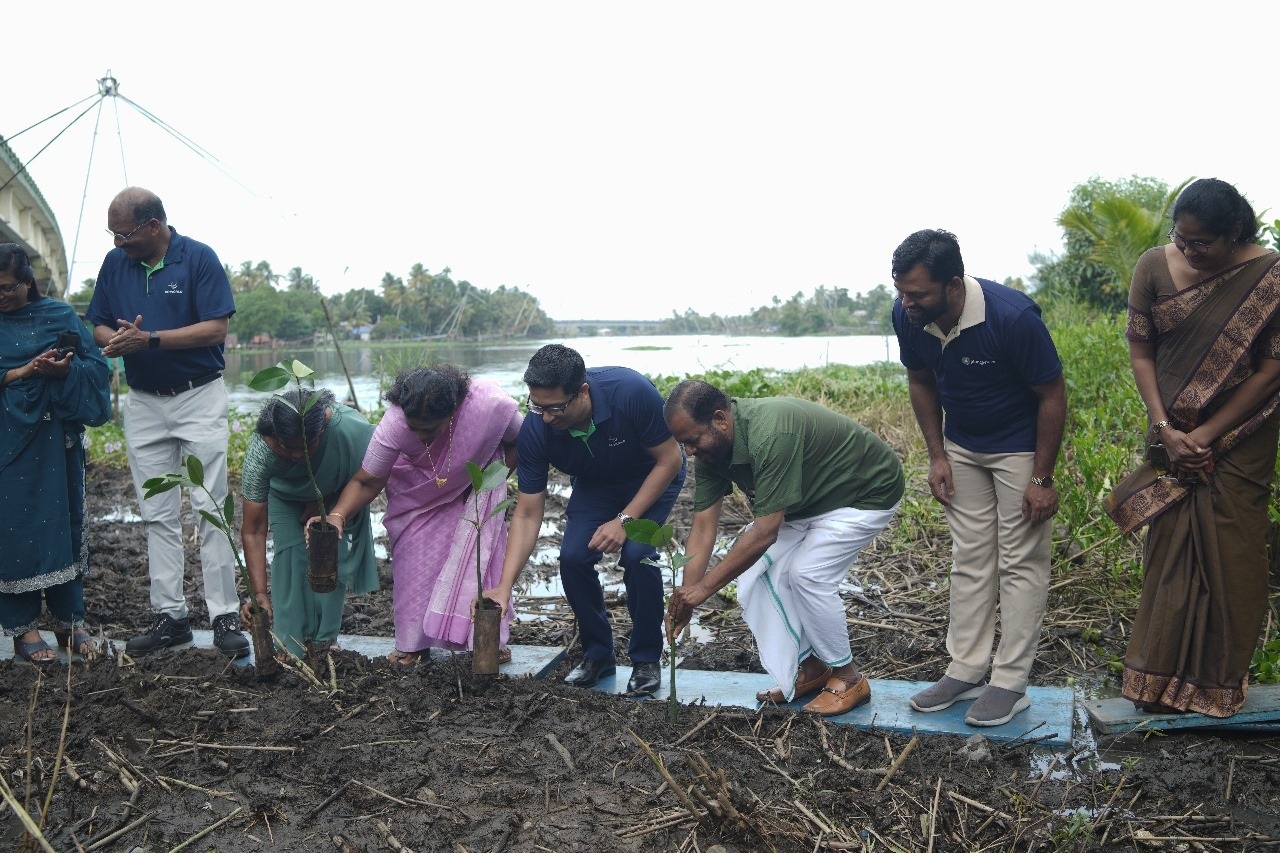
The Mangrove Initiatives of PlanatEarth have the Triple Bottom Line of Conservation, Restoration and Community Involvement. (Read More). The Conservation efforts of course aim at creating and awareness among the public and coastal dwellers about the importance of Mangroves and need and benefits of conserving them. This coupled with the RFID tagging adds numbers to the Conservation efforts. The Restoration component has an ambitious target of planting and nurturing 120000 young mangrove plants (propagules) and ensuring their growth into trees. The third and most important component is the Community Involvement because Planatearth understands that it is crucial that the coastal community gets involved and takes ownership of the project, for the long-term sustainability of the ecosystem and future proclamation of mangroves in Ernakulam as a Community Reserve.
read more...
FOUR Mangrove Linked income schemes to the community.
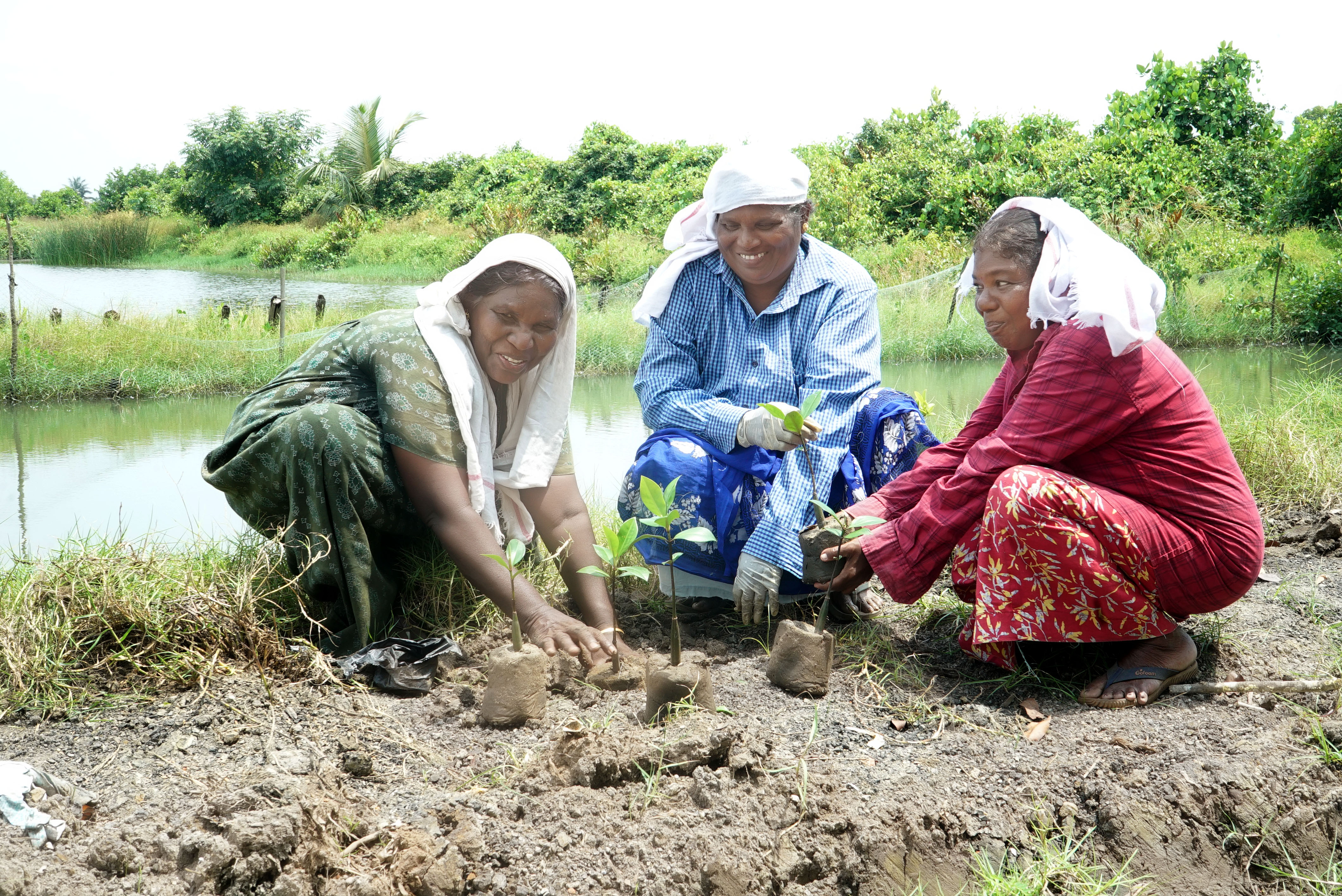
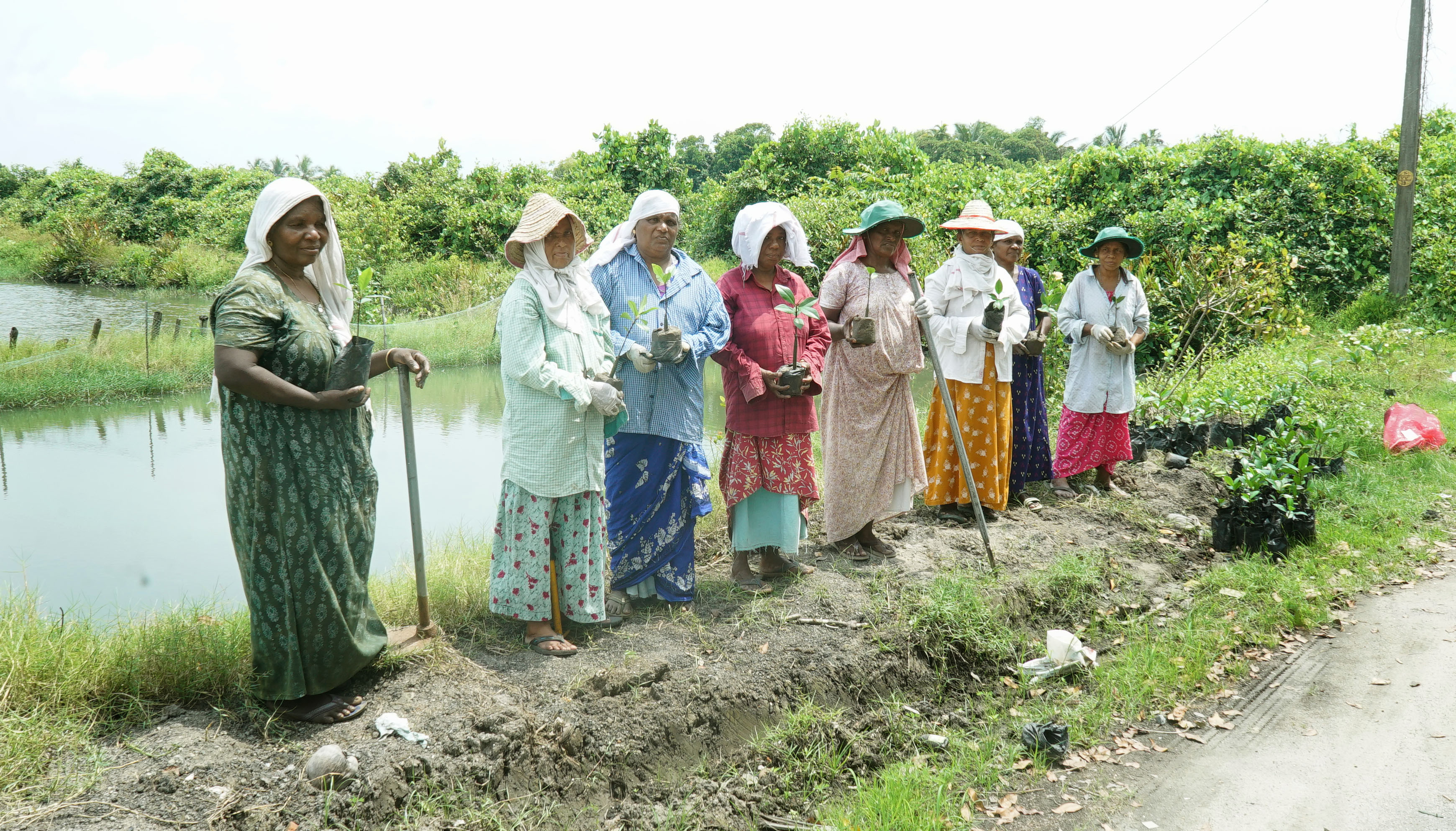
). In order to bring the members of the local community on board and take ownership of the project, PlanatEarth has introduced Four mangrove linked income schemes. For this Self-Help Groups have been formed and training has been imparted to the members on how to manage and earn income from these ventures. These include Apiculture, where bee boxes have been distributed to the members of the SHG and they can take incomes from the sale of honey or bees-wax. Kiosks have been provided and a group of women under the SHG have been trained to make value added products from fish and sea food. Kayak units have been installed and Kayaks have been supplied to a group of women as a means of income where visitors can also move in close proximity to mangrove groves and get a real feel about these beautiful trees without disturbing the ecosystems through this means of eco-tourism. Over 800 women are involved in the actual restoration activities through which they get monetary incentives for the collecting of mangrove propagules and nurturing them in decentralized nurseries and actual planting in the estuary banks as well as for maintenance. Milestones Achieved β€’ Target by the end of 2027, 120000 Mangrove Trees to be planted and maintained β€’ 50000 Trees tagged using RFID technology and Mobile App β€’ 26000 young mangrove plants planted and being nurtured β€’ 30000 propagules germinated and getting ready for planting β€’ 800 women along the coastal belt of Vypeen brough under Self-Help Group and benefiting from mangrove-linked livelihood projects. β€’ Eleven species of True Mangroves conserved and mother plants identified and daughter plants being nurtured. β€’ Six decentralized nurseries for mangrove plants being maintained
read more...
Starry Night
Starry Night
Painting by Vincent van Gogh . Inspired by Van Gogh. Painting is made of 100 % recovered ghost fishing gears, collected from Munambam Harbour. Ghost Gears Used: 1. Polyamide Mono Filament: Part of long line, mainly used for catching Tuna, Seer Fish, Recyclable 2. HDPE Trawl Net: Part of Trawl net, mainly used for catching Shrimps, Cephalopods, Pelagic & Benthic Fishes, Recyclable 3. Nylon Gill Net: Part of Gill net, mainly used for catching small fishes like Oil Sardines, Mackerel, Anchovyete., Recyclable
read more...
Harvest
Harvest
Rooted in the emotional intensity and rhythmic movement characteristic of Vincent van Gogh, this body of work reinterprets post-impressionist expression through the material reality of the contemporary ocean crisis. The artworks translate turbulence, light, and gesture into a new visual languageβ€”one shaped not by paint alone, but by the remnants of human activity recovered from the sea.
read more...
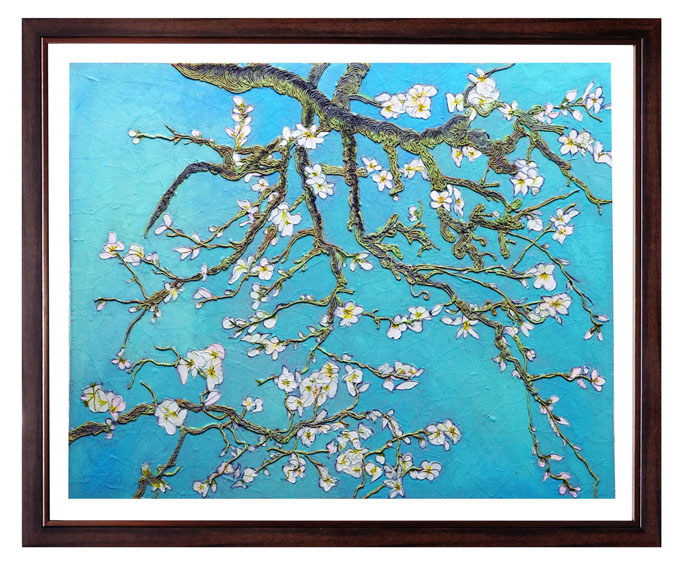
Almond Blossom
Almond Blossom
Each work is composed entirely of recovered ghost fishing gear, predominantly abandoned nets and ropes, integrated with discarded textiles. These materials are not symbolic substitutes; they are the very substances responsible for long-term marine degradation. By employing them as a primary medium, the artist shifts waste from the periphery of environmental discourse into its visual and ethical center.
read more...
Starry Night Over the RhΓ΄ne
The materials are sourced through Project DROP (Drive to Recover Ocean Plastic), an ocean recovery initiative led by Planatearth, involving systematic clean-ups at beaches and active retrieval from marine environments. The process aligns with principles of circular economy, waste recovery, and environmental justice, transforming pollutants into enduring cultural artefacts.
read more...
VMF – Vembanad’s Macro Fight
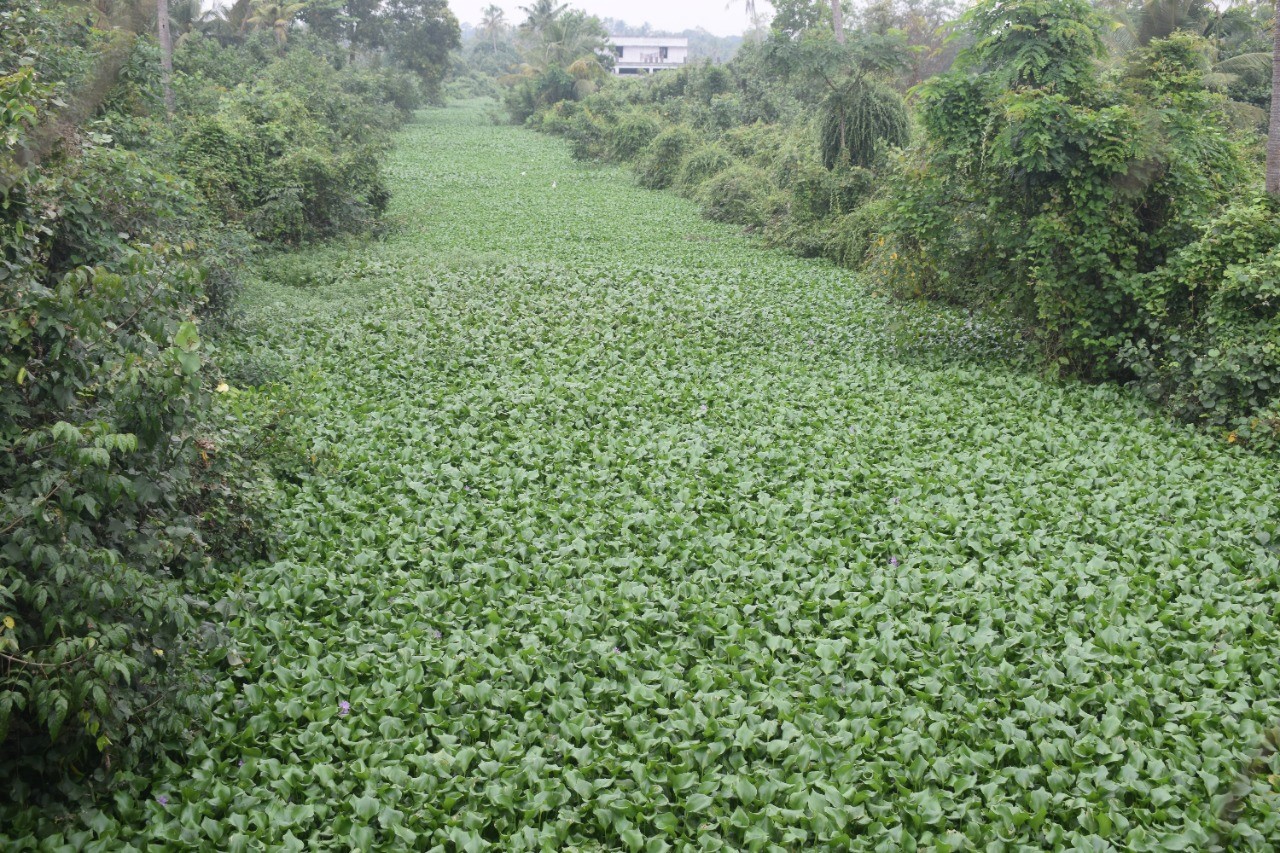
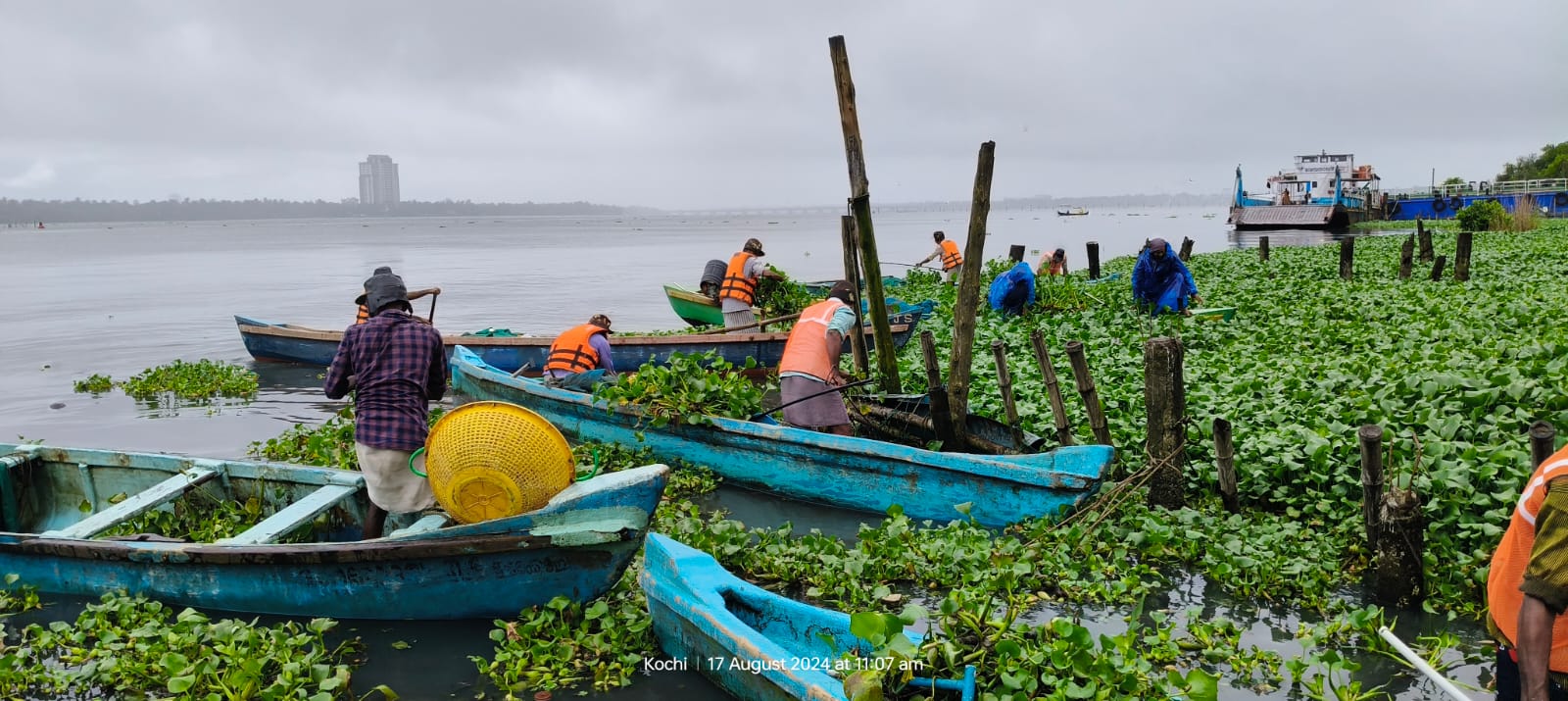
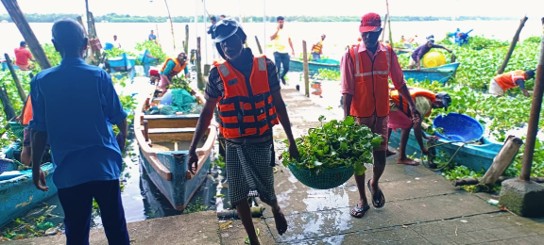
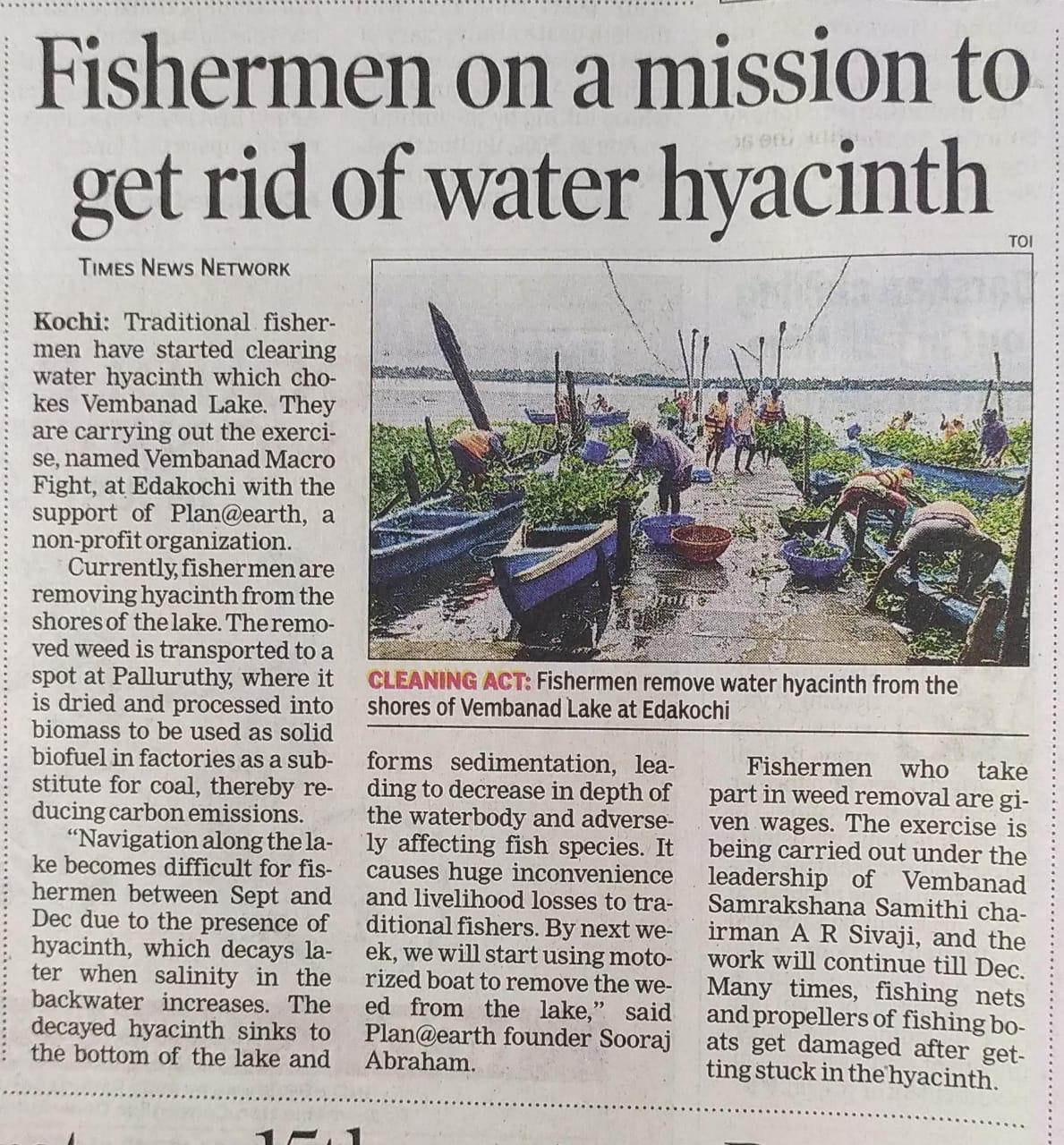
Combating Water Hyacinth with Innovation The VMF project tackles the invasive menace of water hyacinth in the Vembanad backwatersβ€”a plant that chokes aquatic life, disrupts navigation, and damages infrastructure.
read more...
What Makes VMF a Game-Changer?
Water hyacinth to biomass fuel Planatearth has developed an innovative method to convert water weed into biomass pellets and briquettesβ€”a sustainable alternative to coal.
read more...
Two problems, one solution:
Eliminates invasive weed Replaces coal in industrial heating with eco-friendly biomass β€’ Benefits Across Sectors: Inland fishing. Navigation and water transport .Paddy farming
read more...
Four-step process:
Four-step process:
Drying, Pulverizing, Compressing. This project aligns with India’s move to phase out coal and offers an environmentally responsible path forward for industries.
read more...
View All

FOUR PILLARS

COMMUNITY
COMMUNITY
TECH
TECH
LIVELIHOOD
LIVELIHOOD
RESEARCH
RESEARCH
Our FIRST priority for any project related to environment conservation is community engagement
The most important component of any project taken up by PlanatEarth is the Community. For a project on environment conservation to succeed, the people element is vital. From livelihood schemes, to sensitization programs, to capacity building and public health programs PlanatEarth strives to work hand in hand with vulnerable communities like fisherfolk, inland fishermen, farmers, coastal dwellers and people of lower income groups.
read more...
Two sides of a coin. Community and Environment Conservation are indeed TWO sides of the same coin.
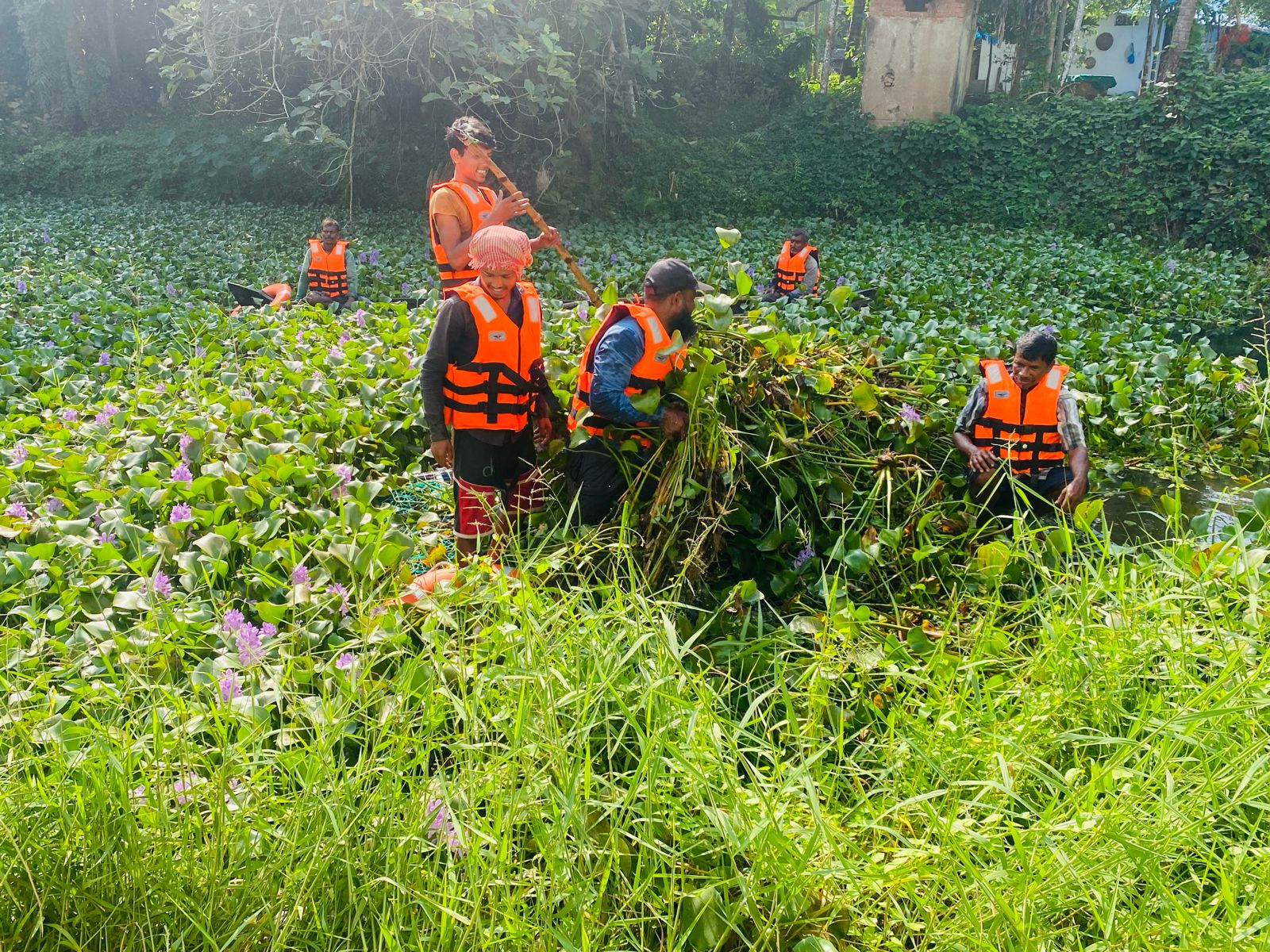
By helping inland fishermen remove the invasive water weed – the water hyacinth – PlanatEarth helps ensure their livelihood. The floating masses of the weed obstructs their boats by entangling in the propellers. The VMF (Vembanad’s Macro Fight) project works with the inland fishermen by incentivizing them to remove this floating weed
read more...
Three Success stories – The Haritha Karma Sena door-to-door waste management system in Kerala, the DROP project, the MARC Project.
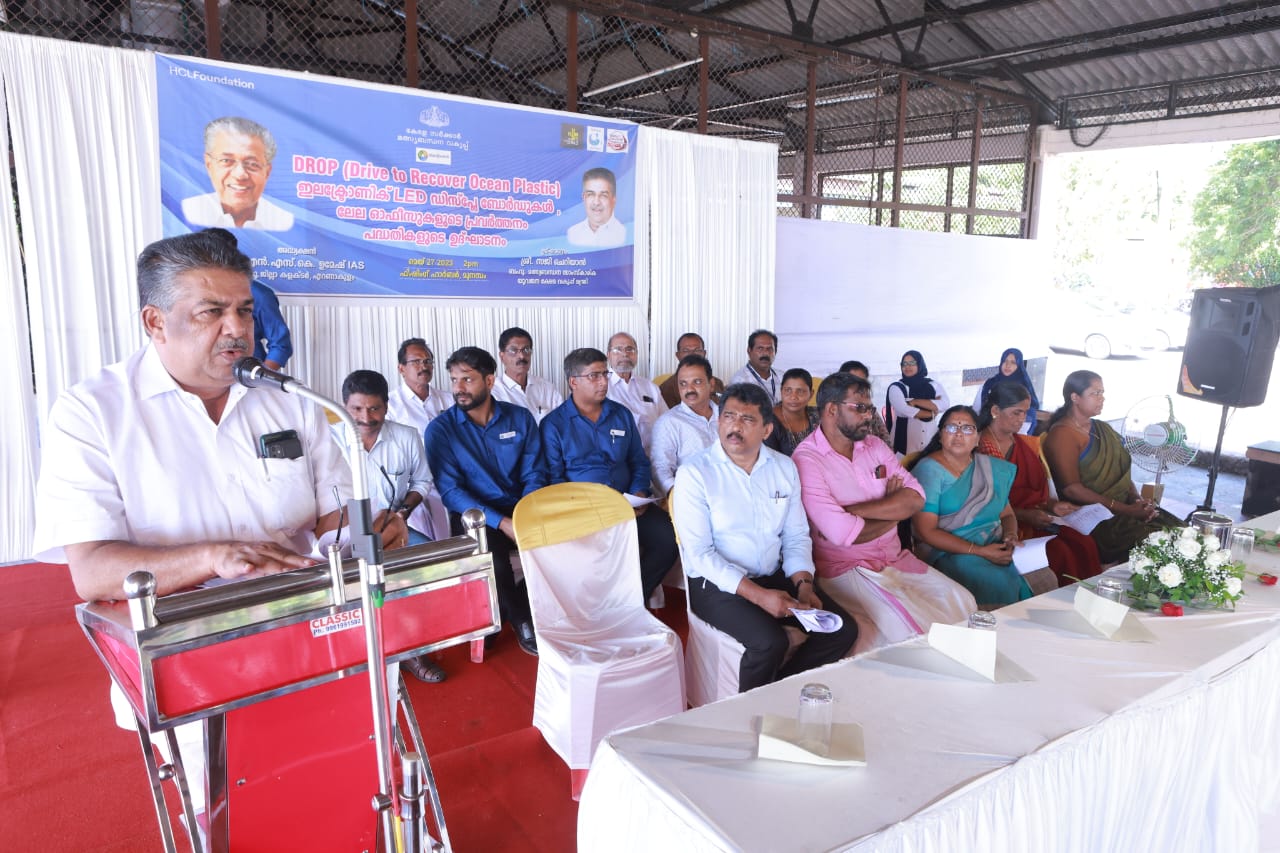
At the Munambam Fishing harbour, over 12000 members of fisherman community have joined hands with PlanatEarth for the collection of plastic from the ocean under the DROP (Drive to Recover Ocean Plastic) project
read more...
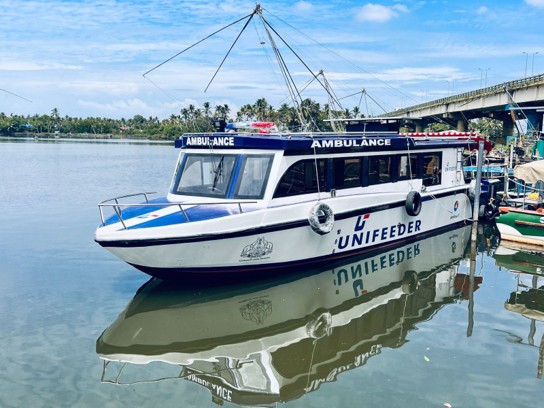
Marine Dispensary for the island community
By helping inland fishermen remove the invasive water weed – the water hyacinth – PlanatEarth helps ensure their livelihood. The floating masses of the weed obstructs their boats by entangling in the propellers. The VMF (Vembanad’s Macro Fight) project works with the inland fishermen by incentivizing them to remove this floating weed
read more...
The FIRST step towards easier and better validation is the use of technology particularly mobile apps and GIS.
Technology is our first and most powerful tool for validation. By integrating mobile applications and GIS into our workflow, we are able to collect, track, and verify field data with greater accuracy and ease β€” turning on-ground observations into reliable, mappable evidence that drives informed decision-making.
read more...
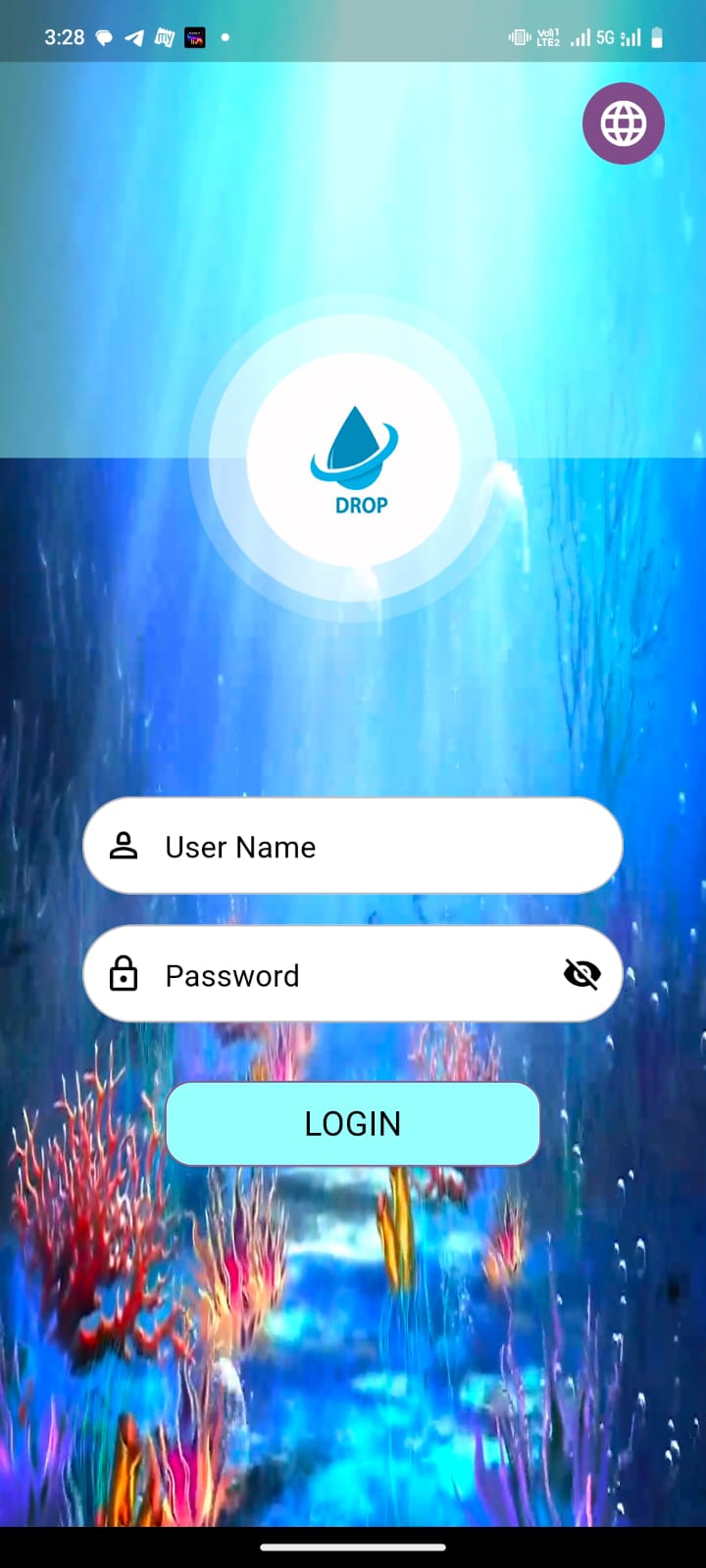
Two mobile apps developed to help in project monitoring. App to tag and map mangrove trees using RFID technology. App to keep track of plastic collected from the ocean.
PlanetEarth has built two purpose-built mobile apps to strengthen project monitoring on the ground. One uses RFID technology to tag and map individual mangrove trees, enabling precise long-term tracking of our restoration efforts. The other records and monitors plastic collected from the ocean, ensuring every kilogram of waste removed is documented and accounted for. Technology, in our hands, is a tool for conservation.
read more...
Three benefits of using technology. Better transparency, monitoring from distance, easy data entry and access
Technology strengthens our work in three important ways β€” it brings greater transparency to our processes, enables our team to monitor projects remotely from a distance, and makes data entry and access simpler and faster for everyone involved. The result is conservation work that is not only more efficient but also more credible and accountable.
read more...
Real-time Reporting & Communication
Technology enables instant reporting from the field to the office and beyond, ensuring that stakeholders, partners, and the wider community stay informed and connected to the progress of every project in real time.
read more...
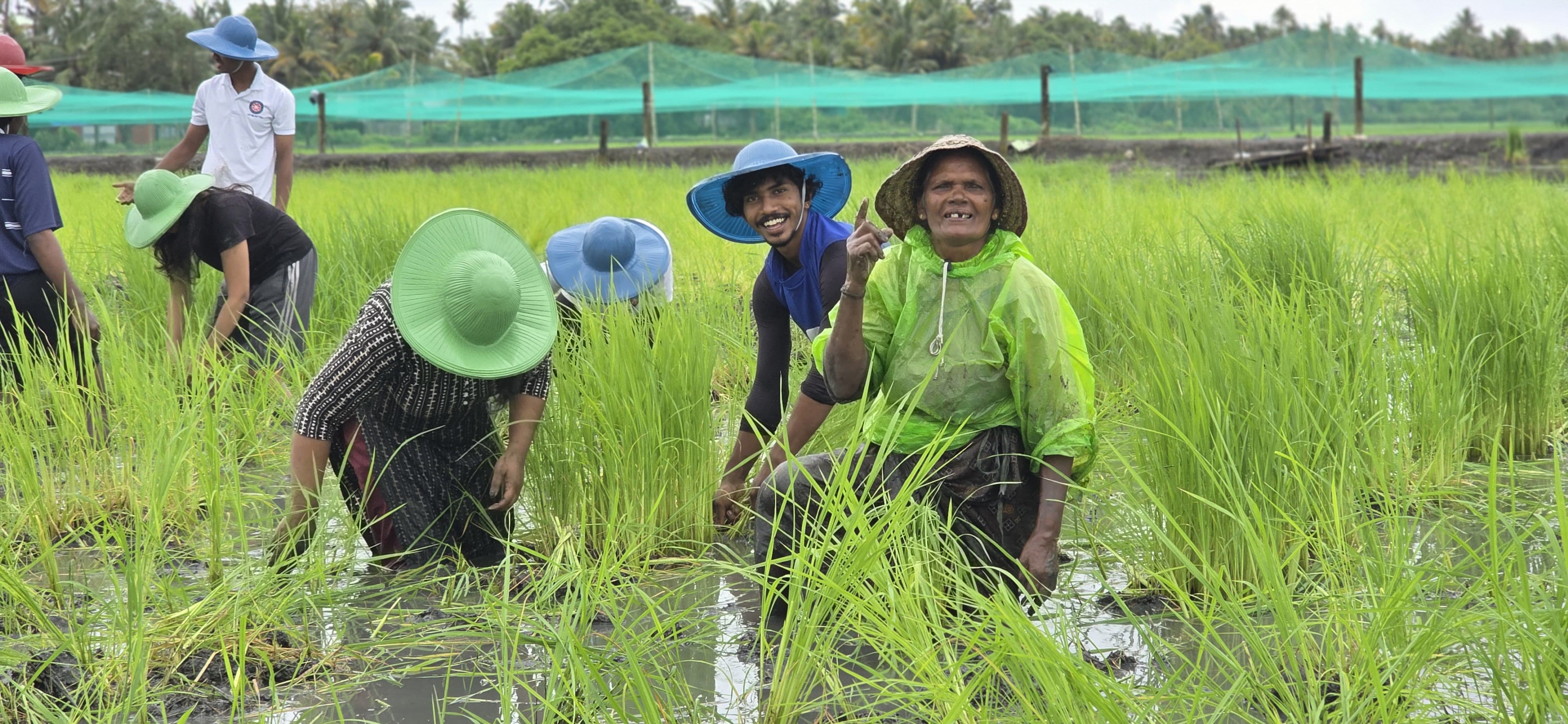
Farming FIRST. Our most important livelihood project is farming of Pokkali Rice- an organic, carbon positive paddy cultivation method found only in Kerala.
We work alongside farming communities in the coastal wetlands of Kerala to preserve and sustain the ancient practice of Pokkali cultivation β€” one of the world's oldest organic farming traditions. Pokkali, a unique salt-tolerant rice variety native to the backwaters of Kerala, has been nurtured by generations of farmers who have mastered the art of working in harmony with the rhythms of the sea.
read more...
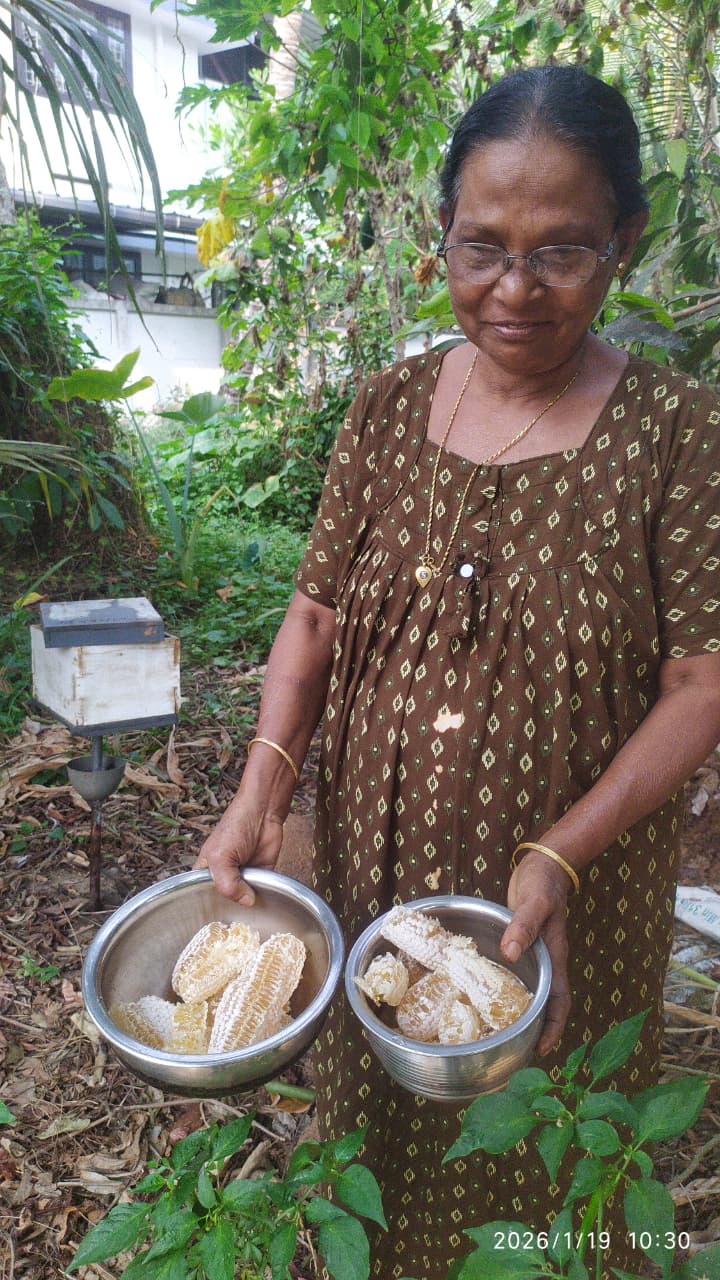
The SECOND livelihood priority is pollination and for that Beekeeping
Income from sale of honey gives and impetus to coastal dwellers to keep and nurture colonies of bees. This ensures pollination of mangroves and crops grown by marginal communities.
read more...
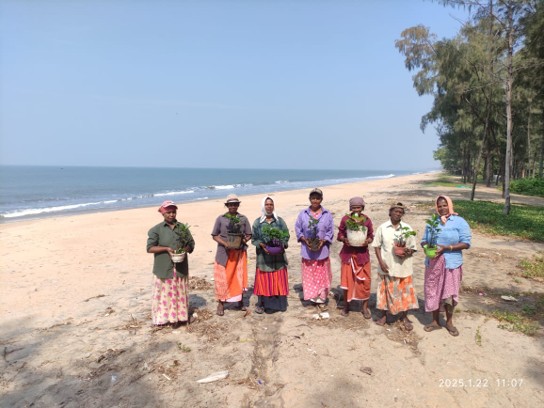
Livelihood and Protection from coastal erosion
Members of the coastal community involved in planting of mangroves – a scheme which is linked to incentives for planting and nurturing young mangrove plants.
read more...
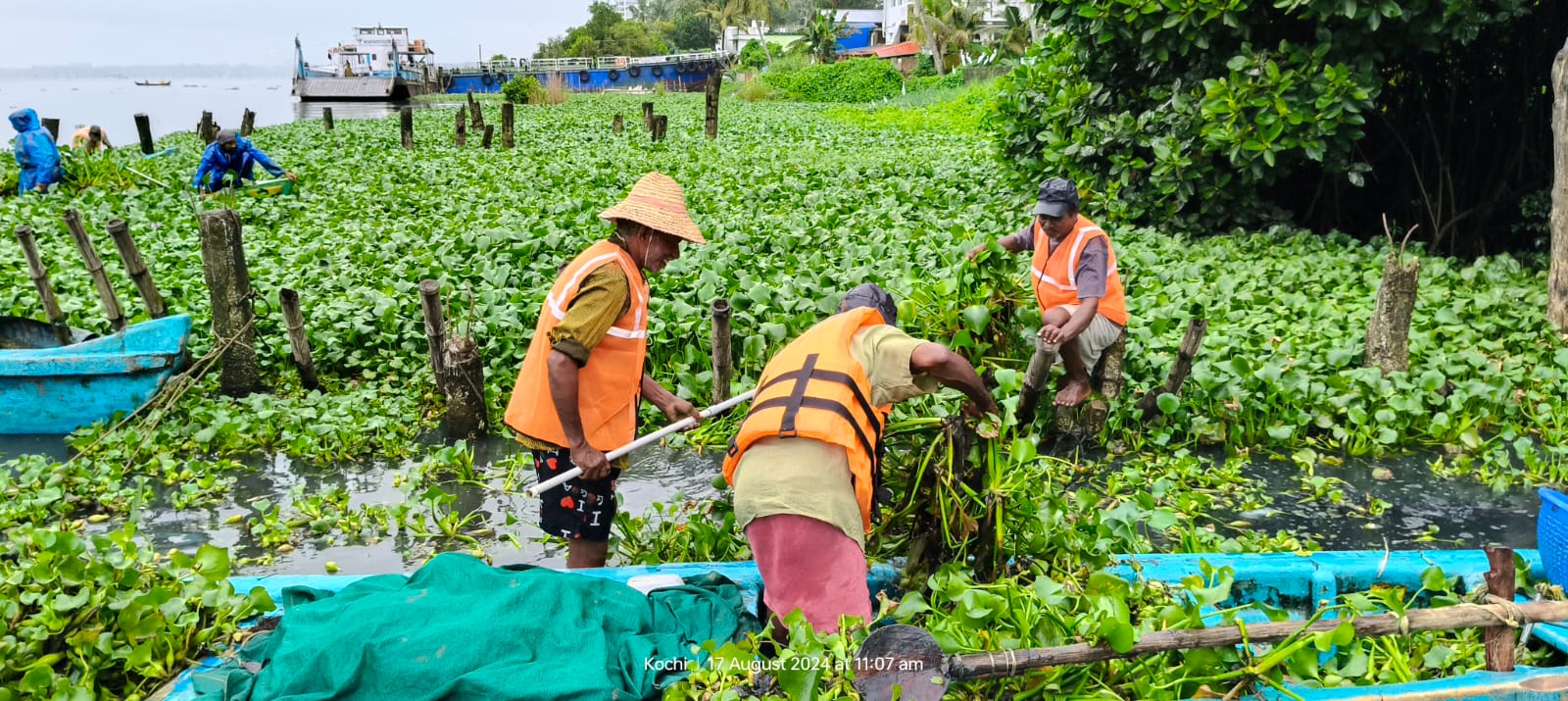
Wetland Livelyhood Protection
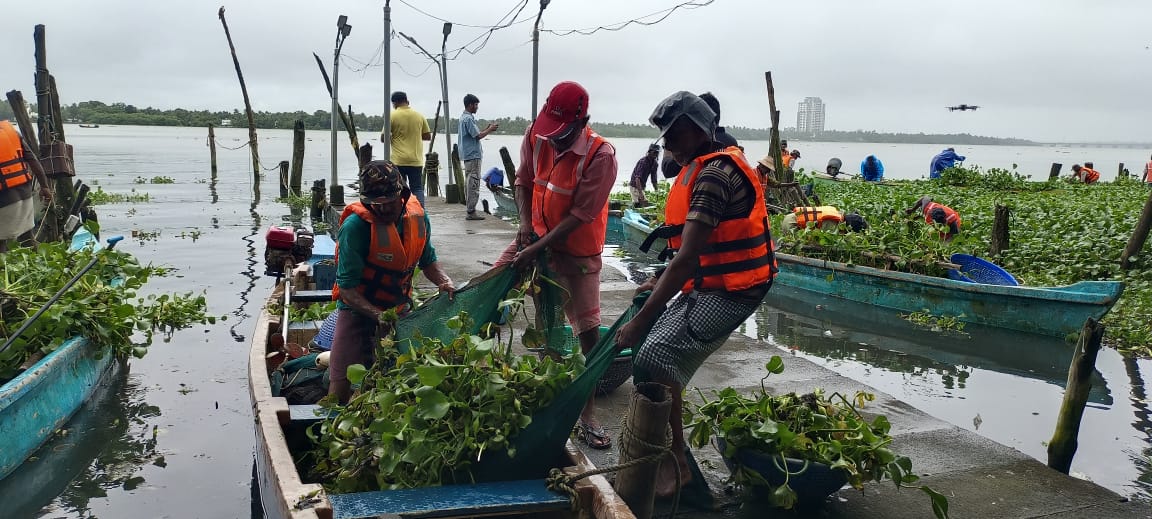
Over 400 families of inland fishermen have their lively hood protected by removal of water hyacinth from the Vembanad Lake.
read more...
Research is a Priority for all our projects. At PlanatEarth, we have taken it one step further by adding a strong research component at every stage.
At PlanetEarth, research is not an afterthought β€” it is the foundation of everything we do. We embed a strong research component at every stage of our projects, ensuring that every decision is informed, every action is evidence-based, and every outcome is measurable.
read more...
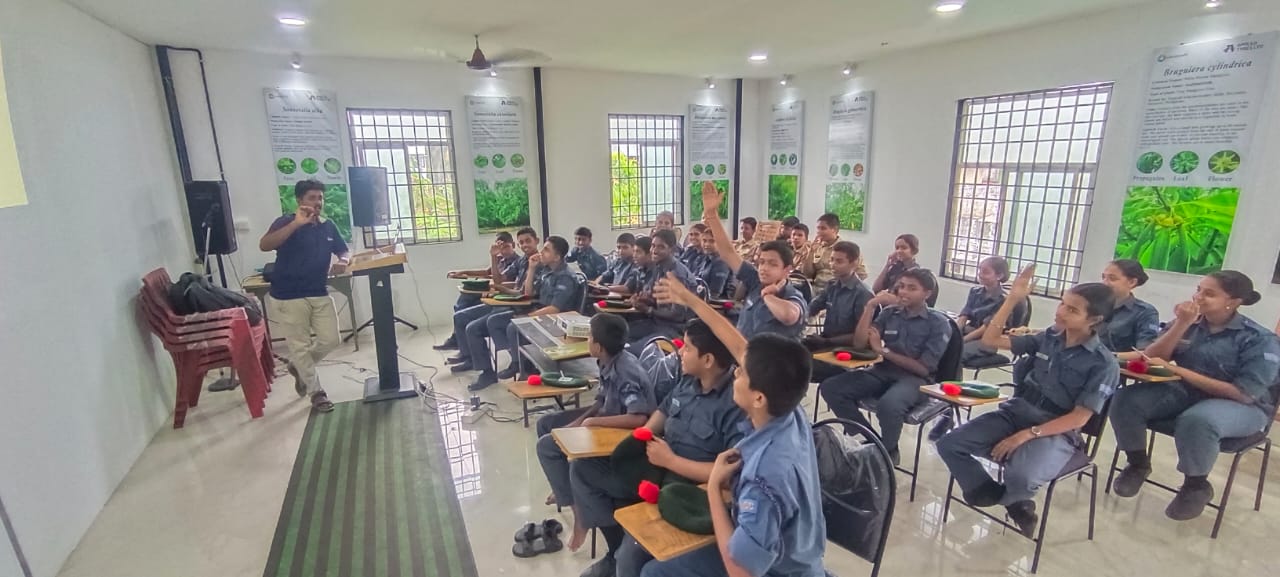
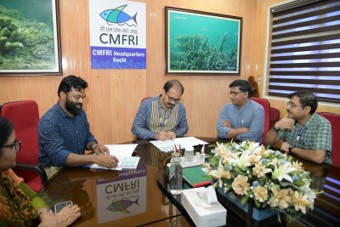
Two Way Process. First is an association through MOU with the scientific body of CMFRI  The second process is partnerships with colleges and schools enabling them to come and have hands-on experience with various projects connected to environment conserva
Two Way Process. First is an association through MOU with the scientific body of CMFRI The second process is partnerships with colleges and schools enabling them to come and have hands-on experience with various projects connected to environment conserva
Our research works on two fronts. We hold a formal MOU with CMFRI, a leading scientific institution, anchoring our work in credible, cutting-edge research. At the same time, we partner with colleges and schools to offer students meaningful, hands-on internship experiences across our environmental conservation projects β€” connecting young minds with real-world challenges and solutions.
read more...
Three Benefits of having Research as Pillar. Support from the scientific community. Identification of problems for future projects. Consolidation of  knowledge and learning for further studies.
Three Benefits of having Research as Pillar. Support from the scientific community. Identification of problems for future projects. Consolidation of knowledge and learning for further studies.
Research as a pillar benefits us in three meaningful ways. It builds trust and collaboration with the scientific community. It helps us identify real problems that shape our future projects. And it consolidates knowledge and learning into a lasting resource that drives deeper study and long-term impact.
read more...
Science and Technology
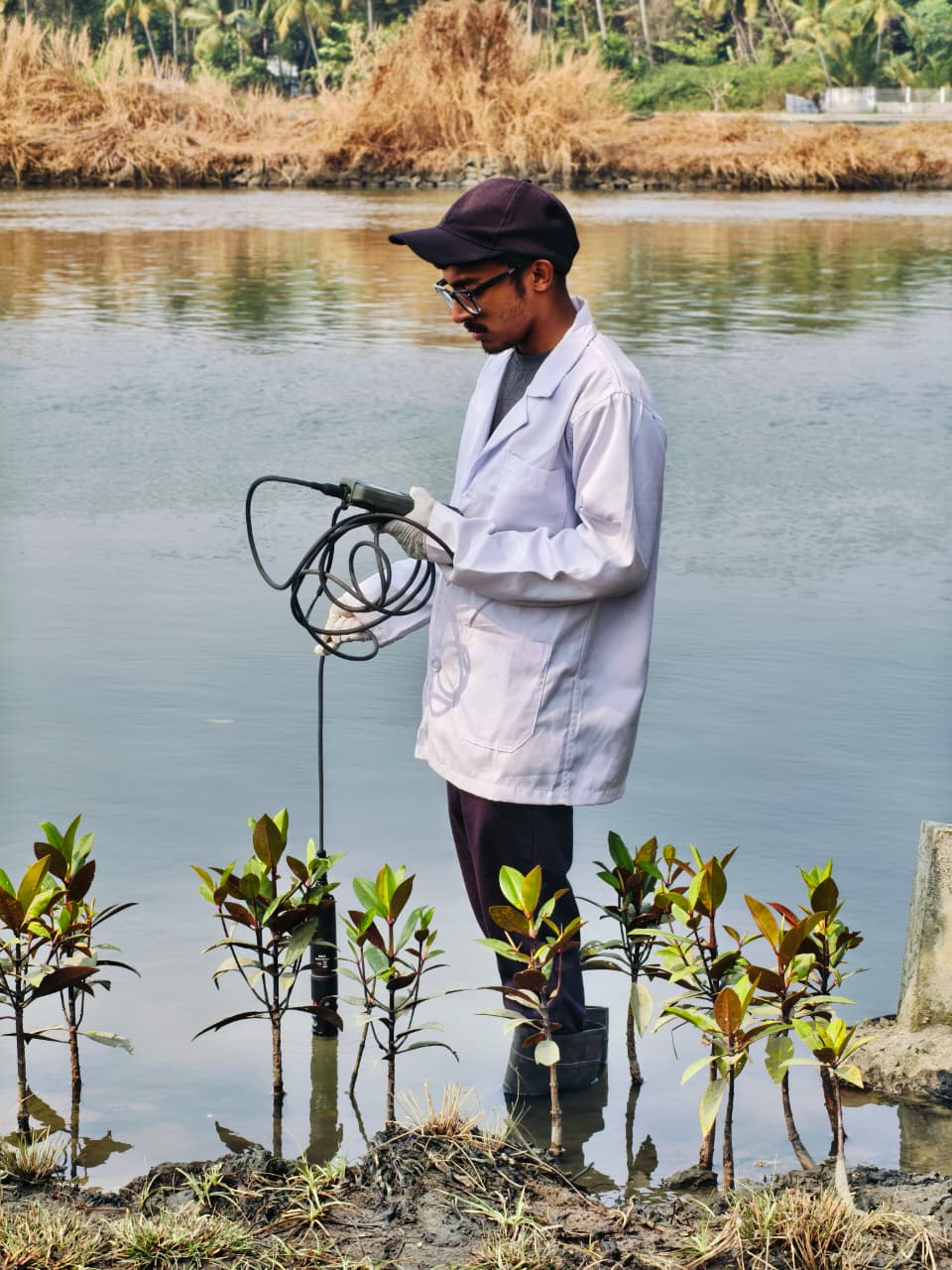
Instruments, Gadgets, Mobile Apps, GIS and Geo Spatial techniques all use to ensure our projects are firmly based on science.
read more...

MORE ACTIVITIES

NEWS
NEWS
GALLERY
GALLERY
CSR
CSR
STORIES
STORIES
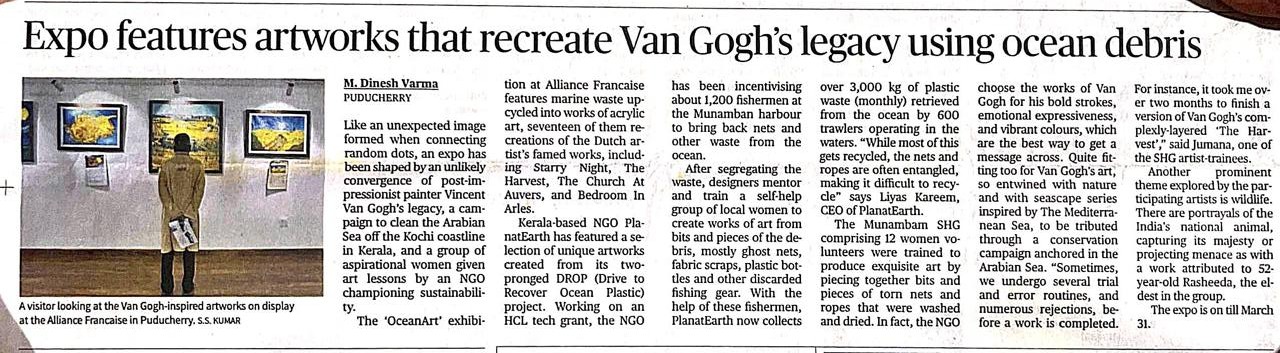
"OceanArt" Exhibition at Alliance FranΓ§aise, Puducherry
read more...
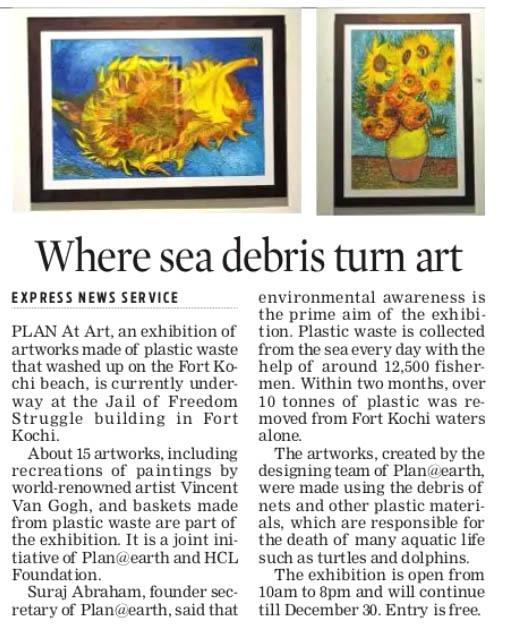
"PLAN At Art" Exhibition β€” Fort Kochi
read more...
From small initiative to community movement
read more...
"Vembanad Macro Fight" β€” Water Hyacinth Removal, Edakochi
read more...
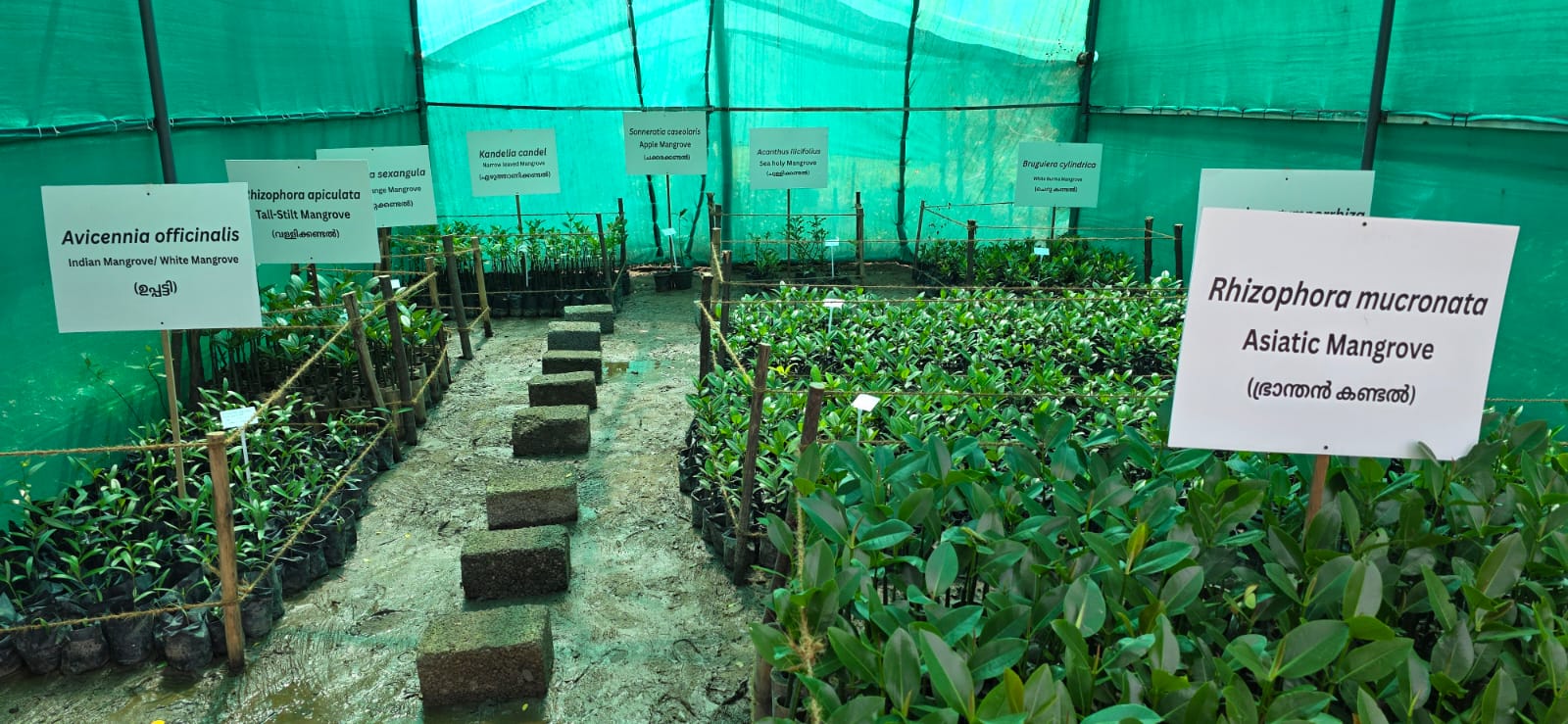
20+ True Mangrove Species, One Historic Conservatory
Probably the FIRST Mangrove Nursery in India with young plants of over 20 species of True Mangroves. This is more than a Nursery, it is a Mangrove Conservatory.
read more...
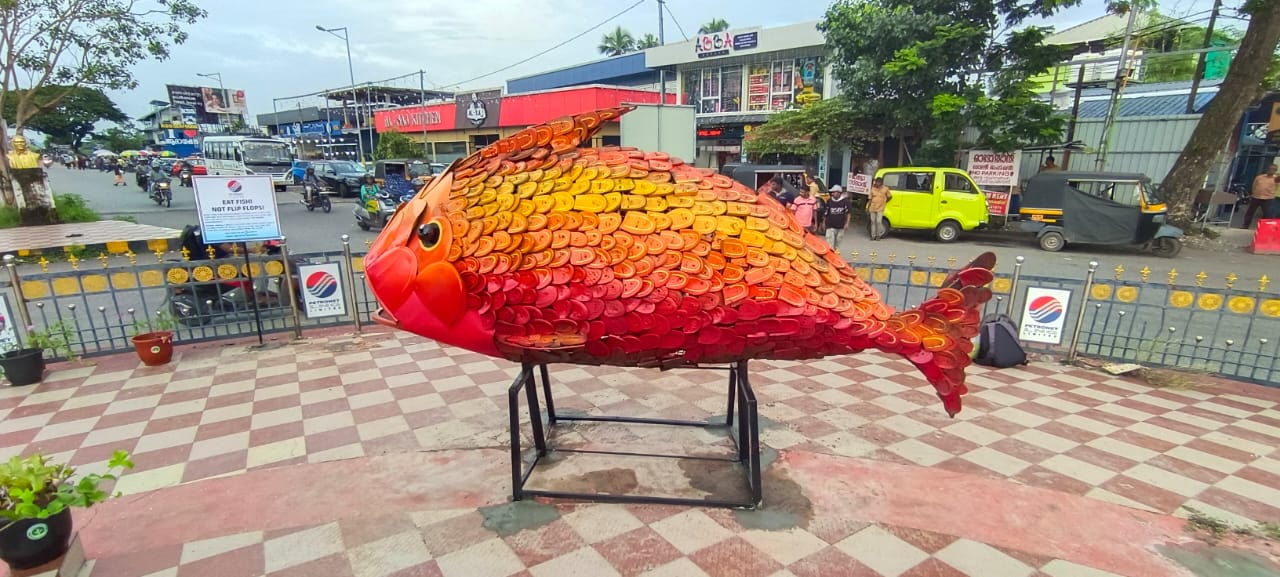
Art That Speaks for the Ocean β€” Sculpted from Its Own Pollution
Two Purposes served! This Fish Sculpture is made using old flip-flops (slippers), recovered from the ocean. The first purpose is to put such discards into use, the second purpose is to create awareness about ocean pollution
read more...
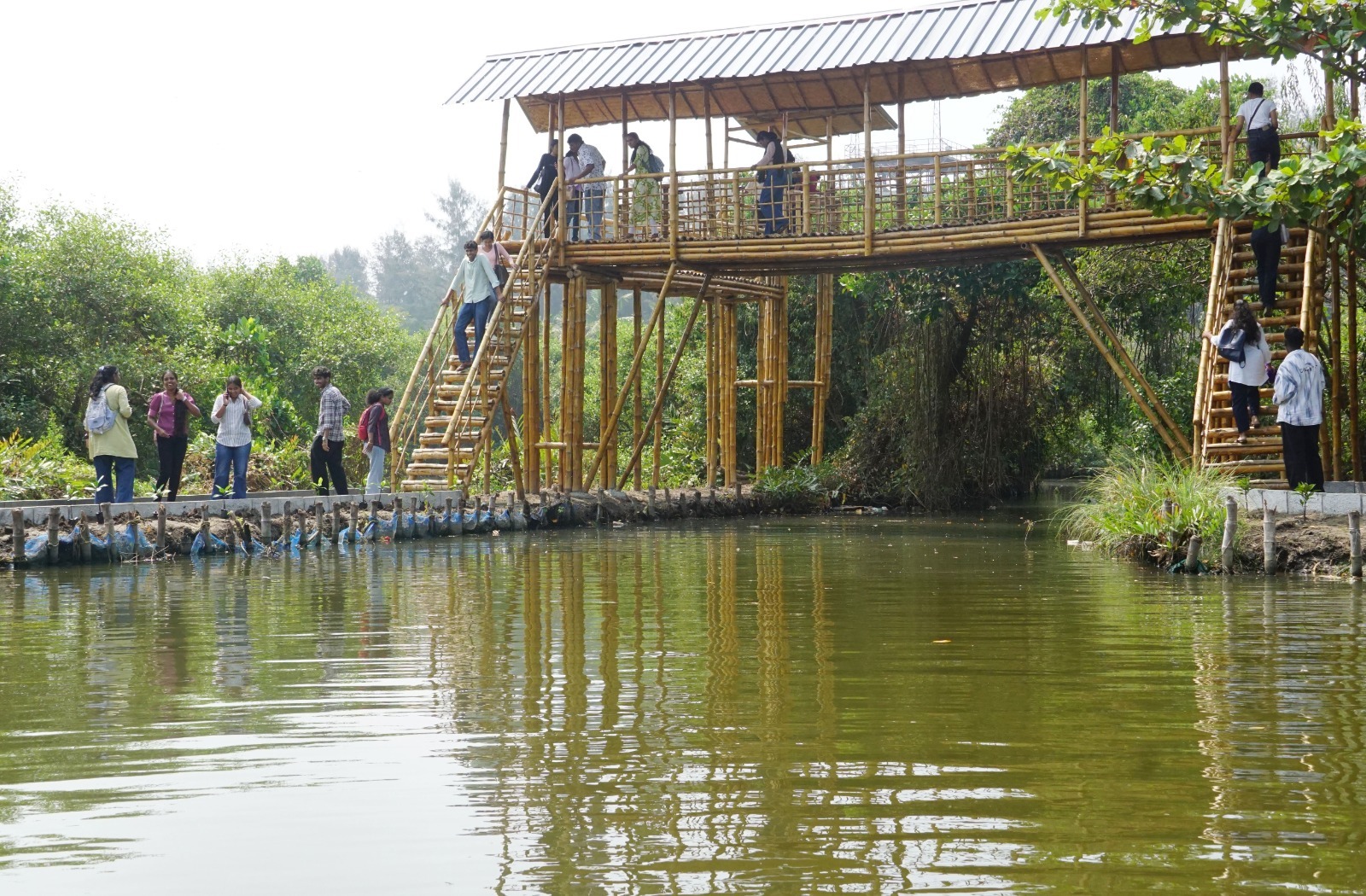
Where Wetlands Tell Their Story β€” The Mangrove Information Park
Three Acres of Mangrove wetlands conserved. This Mangrove Information Park is on land owned by the MatsyaFed and is open to the public to come and learn about Mangroves.
read more...
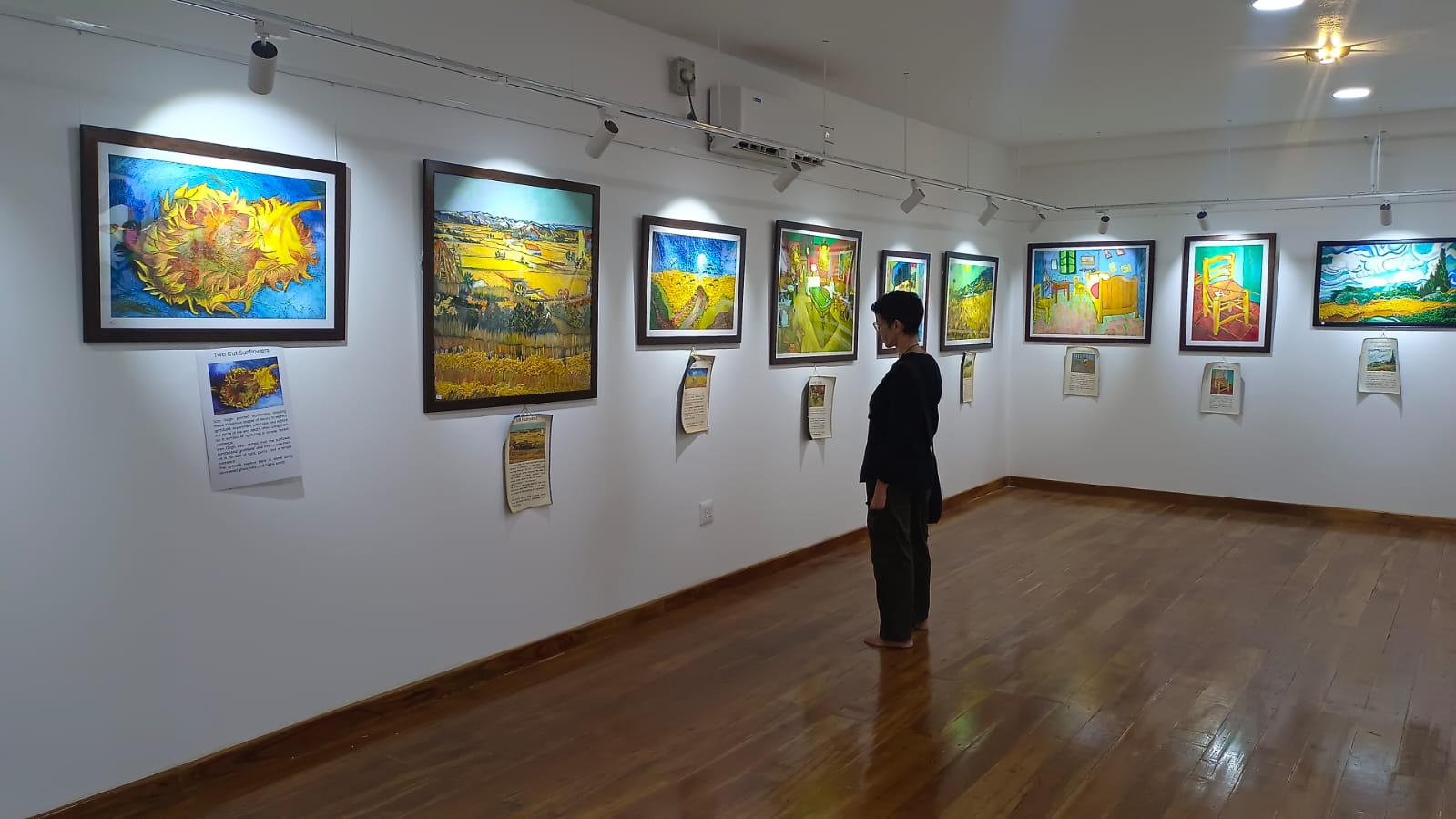
Abandoned Nets, Timeless Masters β€” OceanArt That Speaks for the Sea
Four Exhibitions on OceanArt and counting… These recreations of Van Gogh’s great works are made entirely with abandoned and recovered nets and fishing gear and other debris fished out from the ocean under project DROP (Drive to Recover Ocean Plastic).
read more...
HCL Tech Grant
HCL Tech Grant
Winner of the VIII Edition of the prestigious HCL Tech Grant among 15000 NGO competitors throughout India (A grant of Rs 5 Crore INR)
read more...
Apollo Tyres Foundation
Trusted implementation partner of Apollo Tyres for the past 11 years
read more...
DP World
DP World
Partnering with DP World for projects on wetland conservation, mangrove conservation and restoration, organic farming (Pokkali paddy cultivation), apiculture, livelihood schemes to coastal communities
read more...
Cochin Shipyard Ltd
Cochin Shipyard Ltd
For awareness and sensitization programs on environment issues
read more...
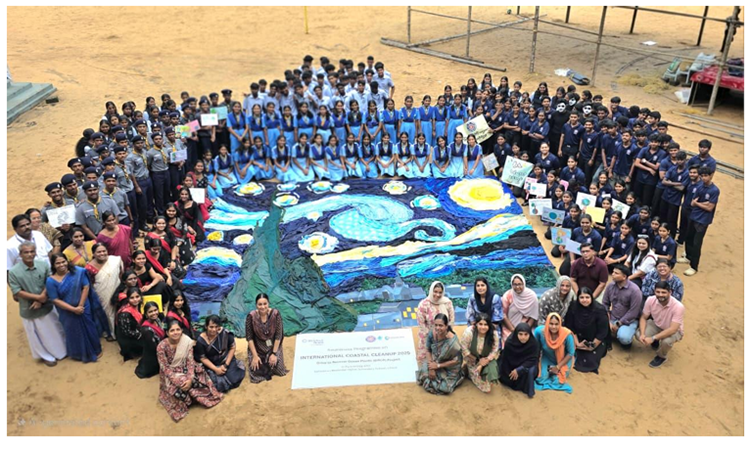
International Coastal Cleanup Day
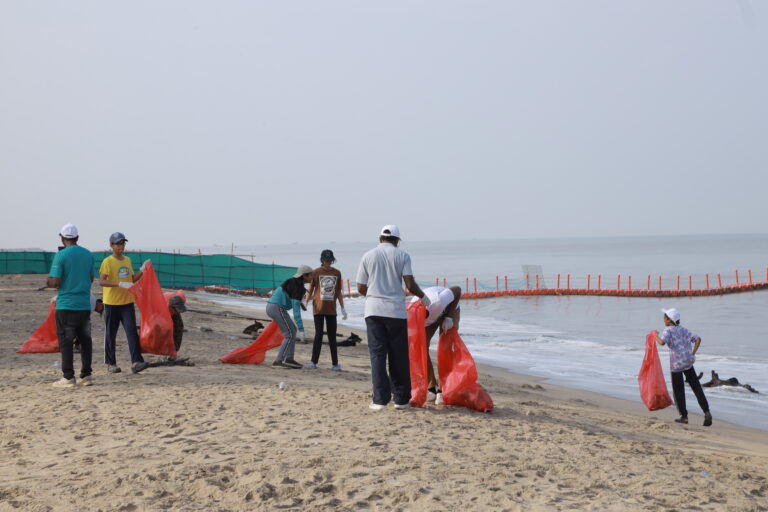
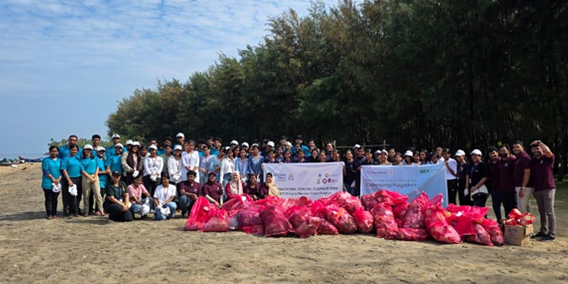
Community Action for a Cleaner Shore As part of the International Coastal Cleanup Day, PLAN@EARTH under Project DROP organized a large-scale awareness and cleanup drive at Munambam Harbour.
read more...
Waste Fabric to Starry Night
Turning Waste into Art at SMHSS School To encourage environmental creativity among students, PLAN@EARTH conducted a waste-art workshop at SMHSS School under Project DROP.
read more...
Women Leadership and Empowerment
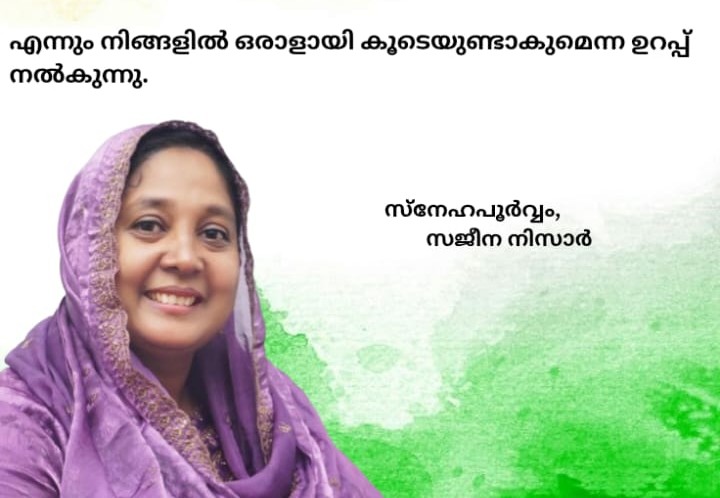
Sajeena Nisar, who was previously a homemaker, joined the Plan at Earth team as an upcycling artist , where she received skill-based training in waste-to-value practices and actively participated in environmental production and awareness activities. This personal and professional transformation was reflected during the recent Panchayat elections 2025, in which she was elected as the Ward Member of Ward No. 11, Karumaloor Grama Panchayat.
read more...
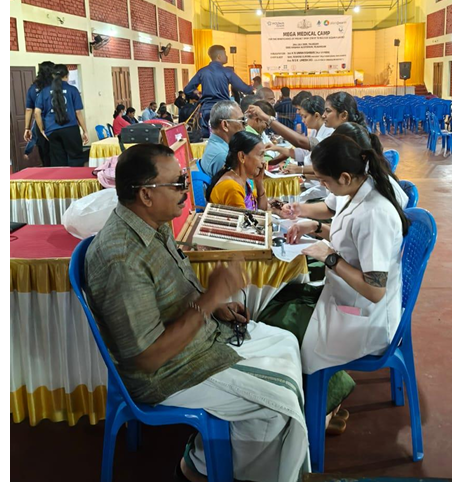
Medical Camp for Fishermen
Caring for the Community that Cares for the Ocean Under Project DROP, PLAN@EARTH organized a medical camp at Munambam Harbour for fishermen, harbour workers, and their families. Supported by the HCL Foundation, the camp provided free health check-ups, consultations, and awareness sessions on hygiene and occupational safety. Many participants benefited from early diagnosis of common health issues related to long working hours and marine exposure.
read more...
View All
View All
View All
View All

SOCIAL MEDIA

TWITTER
TWITTER
FACEBOOK
FACEBOOK
INSTAGRAM
INSTAGRAM
YOUTUBE
YOUTUBE
SOCIAL MEDIA
read more...
SOCIAL MEDIA
read more...
SOCIAL MEDIA
read more...
SOCIAL MEDIA
read more...
SOCIAL MEDIA
read more...
SOCIAL MEDIA
read more...
SOCIAL MEDIA
read more...
SOCIAL MEDIA
read more...
SOCIAL MEDIA
read more...
SOCIAL MEDIA
read more...
SOCIAL MEDIA
read more...
SOCIAL MEDIA
read more...
SOCIAL MEDIA
read more...
SOCIAL MEDIA
read more...
SOCIAL MEDIA
read more...
SOCIAL MEDIA
read more...